
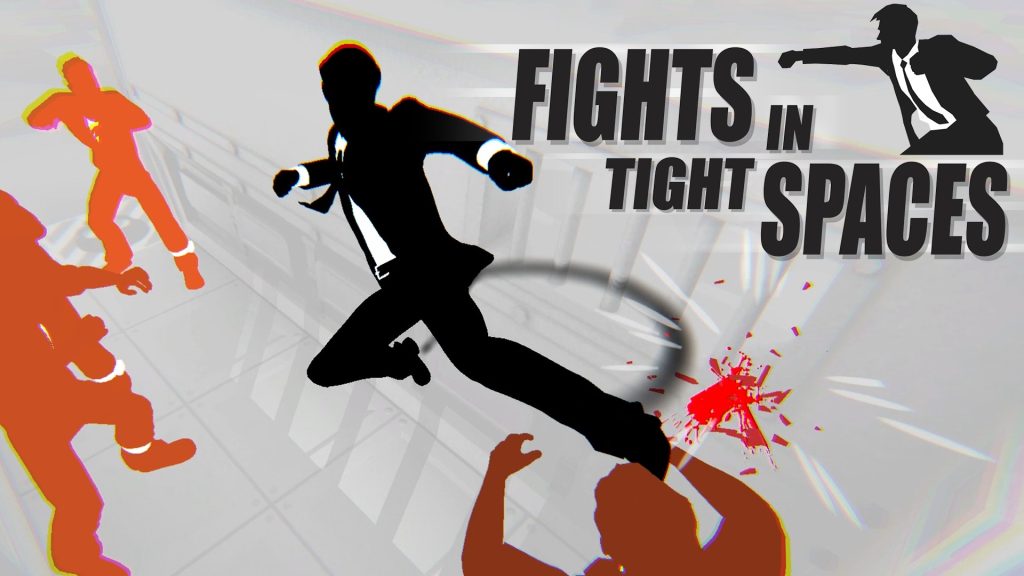
At first glance, mixing rogue-like deck building with turn-based grid tactics might sound like a clunky collision of mechanics.
Yet Fights in Tight Spaces takes two demanding genres and strips them down to their absolute leanest, sharpest elements. The result feels less like playing a standard card game and more like choreographing a high-octane action sequence straight out of John Wick or The Raid.
You play as an operative taking down rooms packed with rival gang members, armed mercenaries, and lethal specialists. But instead of standard grid movement or straightforward card-slinging, every turn demands that you balance positioning, momentum, and spatial awareness within incredibly cramped quarters.
I always think I’ll be better on my next run…..but Fights in Tight Spaces can absolutely maximise a gap if you leave one open!

The anatomy of a brawl
The genius of Fights in Tight Spaces lies entirely within its title: space is strictly limited, and every single tile matters.
Combat takes place on small isometric arenas. A crowded pub, a narrow alleyway, an elevator, or a moving train car. Your hand consists of cards representing attacks, pushes, parries, block manoeuvres, and positional shifts (slips, vaulting, rolling behind enemies).
Rather than just dealing damage, your primary tool is spatial manipulation. A great turn in Fights in Tight Spaces rarely involves standing still and trading punches. Instead, it looks like this:
- Stepping into a guard’s line of sight so a gunman shoots him instead of you.
- Front-kicking an attacker out of a third-story window.
- Vaulting over an oncoming brawler so he collides headfirst into his partner.
To fuel your best moves, you manage Momentum (your action points) alongside a Combo Counter. Basic strikes build your combo, which in turn unlocks devastating finisher cards or allows you to execute high-cost defensive counters.
The rhythm of building momentum while constantly dodging telegraphed enemy attack cones creates an incredibly satisfying puzzle-like feedback loop.
Deckbuilding with purpose
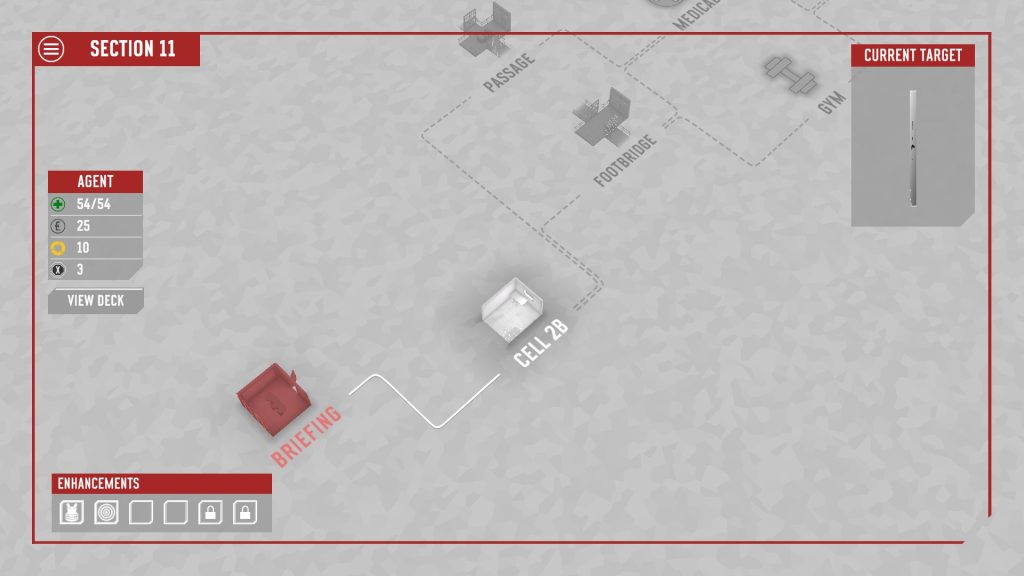
Like Slay the Spire, progression follows a branching map where you choose between fights, events, medical checkups, and gear shops. Between encounters, you draft new cards, upgrade existing techniques, and streamline your deck to keep it lean.
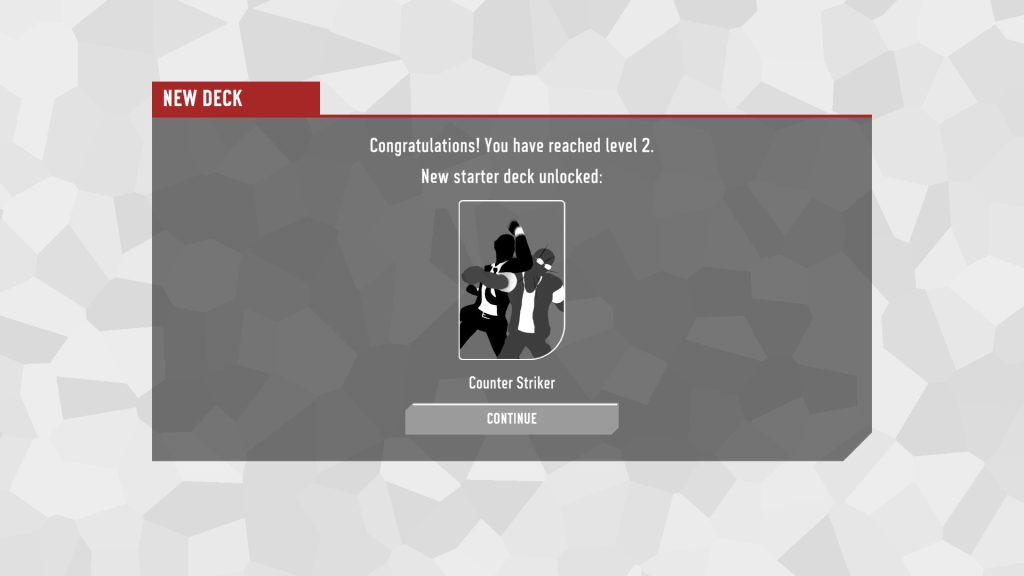
The starter decks offer distinct fighting philosophies:
- Balanced / Aggressive: Focused on raw damage, jab chains, and heavy strikes.
- Counter & Grapple: Relies heavily on redirecting enemy force, parries, throws, and using environment traps.
- Trickster / Movement-heavy: Prioritises agile repositioning, slips, and forcing enemy friendly fire.
Because enemies hit hard and healing options are sparse, mistakes compound quickly. Over-committing to an attack without leaving enough energy to step out of an incoming strike path will cut a promising run short.
Minimalist style and the instant replay feature
Visually, Fights in Tight Spaces opts for a sleek, minimalist aesthetic. Characters are rendered as stylised, solid-coloured silhouettes set against clean, monochrome environments. This design choice isn’t just a stylistic flex; it makes reading the tactical board instantaneous. Attack vectors, line-of-sight paths, and tile hazard zones are always crisp and unambiguous.
The crowning feature of every completed fight in Fights in Tight Spaces, however, is the Instant Replay. Once you finish clearing a room in turn-based mode, the game stitches your choices together into a real-time, uninterrupted video clip of the entire brawl. Watching your calculated, slow-paced decisions play back as a continuous, 15-second cinematic fight sequence never stops feeling immensely satisfying.
Fights in Tight Spaces is so tightly designed, it’s astounding, quite frankly.
Verdict
Fights in Tight Spaces is a masterclass in hybrid genre design. By forcing deckbuilding mechanics into tight, spatial puzzles, it delivers a turn-based strategy experience that feels remarkably dynamic, stylish, and rewarding.
Whether you’re in it for the tactical depth of deck optimisation or the thrill of watching your customised operative clean out a bar room in a seamless replay, it stands out as one of the most inventive indie tactics titles in recent years.
Crafted by an independent British studio, and with Knights in Tight Spaces already under review. We’re a big fan of Ground Shatter’s work.
Playing on a desktop or on the Steam Deck, you’re able to have a good run, a bad run and all the other types of run in between. Regardless, Fights in Tight Spaces plays like a dream, and each run through is a joy. Stylish, tactical and just genuinely fun.
Fights in Tight Spaces is Shamelessly Recommended
Want to check out what other games we’ve been reviewing? Click right here.
Also, to make you aware, this post does include an affiliate link to the game. You don’t have to click on it to purchase the game, but if you do, it could help us earn some lovely pennies to help us keep the site running.