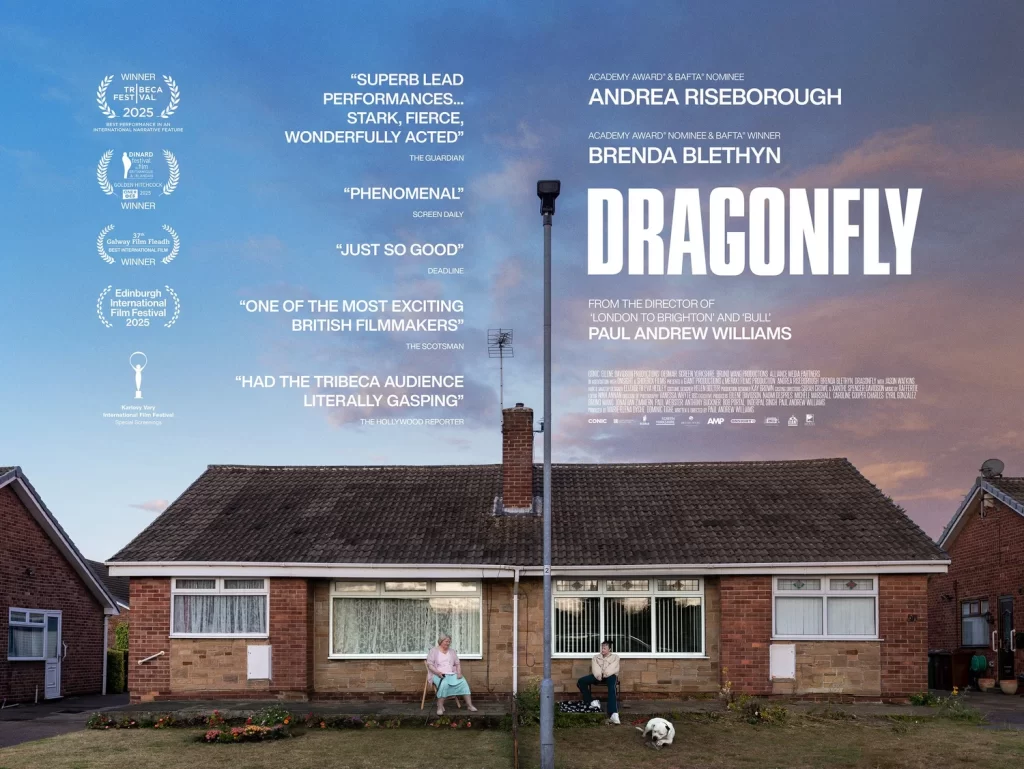
We’ve done independent music, food places, and even a market full of independent traders. Now, it’s time for our first independent film coverage. Enter, Dragonfly.
Written and directed by Paul Andrew Williams, Dragonfly is a British drama starring Andrea Riseborough as Colleen, Brenda Blethyn as Elsie, and Jason Watkins as Elsie’s son. It premiered at Tribeca in 2025, and later picked up major awards attention, including BIFA nominations and three top prizes at the Beijing International Film Festival, where it won Best Feature Film, Best Screenplay, and a shared Best Actress prize for Riseborough and Blethyn.
And honestly, I can see why.
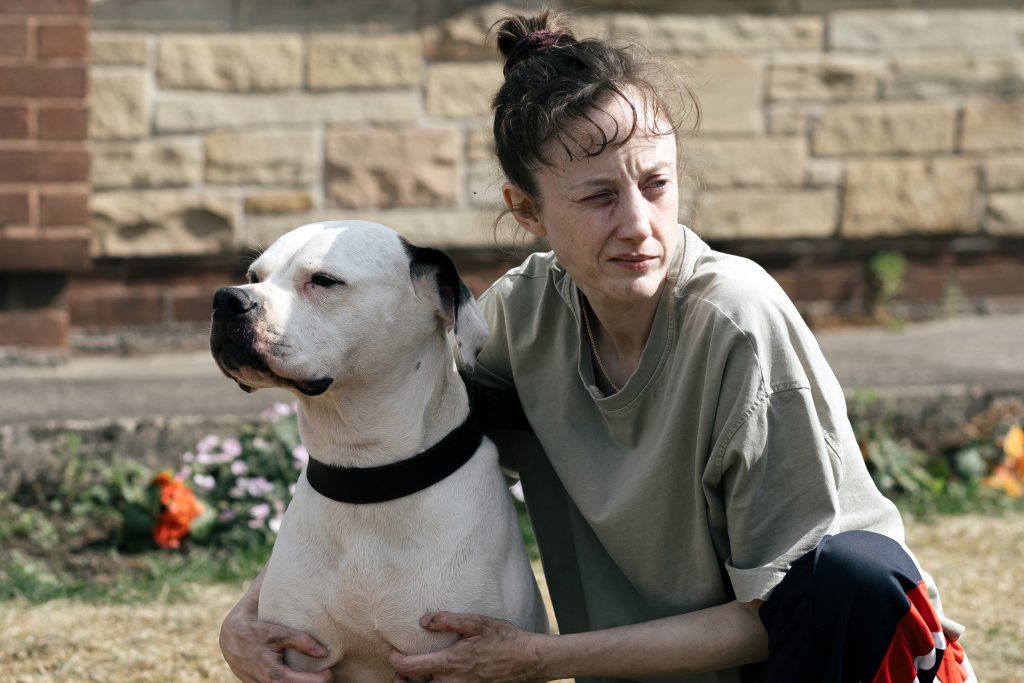
What Dragonfly does so well is make you confront your own snap judgements before quietly pulling the rug out from under them. Colleen is introduced in a way that immediately invites assumptions. She looks rough around the edges, she is clearly struggling, and when she starts becoming part of Elsie’s life, the film knows exactly what you are going to think. Is she taking advantage? Is she genuine? Is she lonely? Is she dangerous? Is she just a mess?
The answer never comes as neatly or as quickly as you expect, and that is what makes the whole thing so effective.
But, before we get into the review, let’s check out the Dragonfly trailer:
The friendship is the heart of it
At its core, Dragonfly is a film about connection.
Elsie is elderly, increasingly isolated, and surrounded by care that often feels transactional rather than truly caring. That part hit especially hard, because it feels brutally honest about a reality a lot of people will recognise. Some carers do genuinely care. Some do the job well. Some absolutely do not. And when somebody is elderly, housebound, and depending on those visits as part of their routine or even their only social interaction, being short-changed in that way matters.
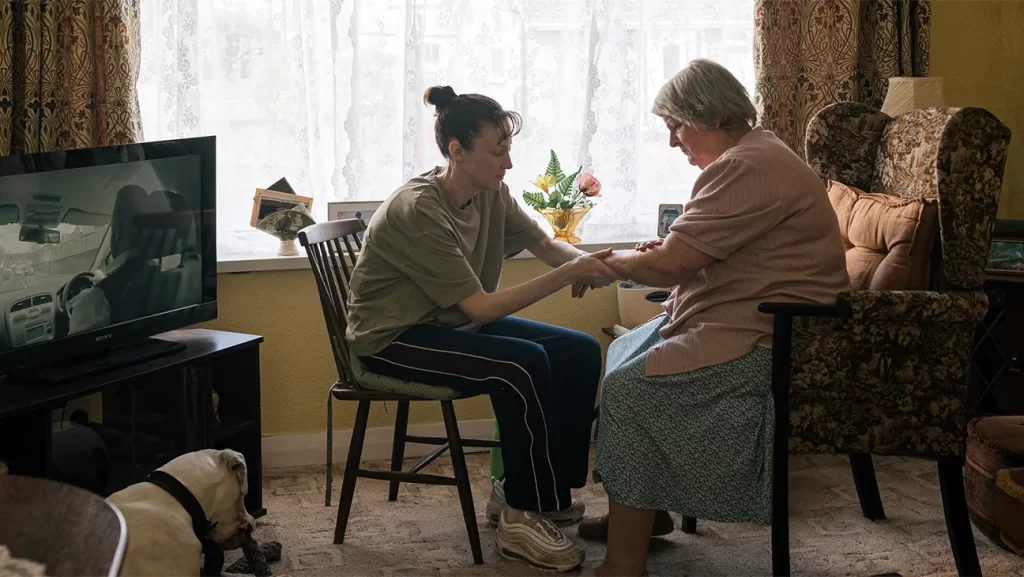
That is where Colleen enters the picture, and what follows is the sort of relationship that slowly pulls you in because it feels human rather than overly polished. These two women are not thrown together in some glossy, crowd-pleasing way. It feels awkward at first. Fragile. A bit uncertain. Then it starts to warm up. The walkie-talkies are a lovely touch. Funny, slightly odd, and weirdly sweet. You start to believe in the bond between them because the film gives it room to breathe.
And once that warmth starts building, Dragonfly becomes much harder to shake off.
Andrea Riseborough and Brenda Blethyn are phenomenal
Dragonfly lives and dies on those central performances, and thankfully both leads are absolutely brilliant.
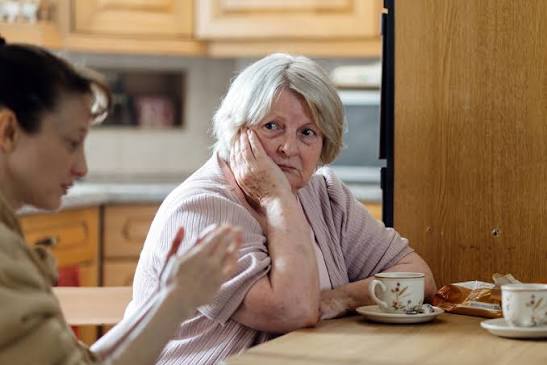
Brenda Blethyn gives Elsie a warmth and vulnerability that stops her from ever becoming a symbol rather than a person. She is not just there to represent old age, frailty, or neglect. She feels lived-in. Proud. Stubborn. Funny. Sad. Entirely believable as somebody who has built a life in one place and cannot bear the thought of being uprooted from it, even if the practical argument for moving somewhere “better” makes sense on paper.
Andrea Riseborough, meanwhile, does so much with Colleen that the character stays just out of reach for much of the film in exactly the right way. She can seem rough, twitchy, possibly opportunistic, then suddenly vulnerable, caring, and painfully sincere. The film keeps you in that uncomfortable place of trying to work her out, and Riseborough makes that uncertainty compelling rather than frustrating.
Together, they are what makes the film land.
It understands loneliness without turning it into a lecture
One of the strongest things about Dragonfly is that it is not just about elderly isolation. It is about loneliness more broadly. About how people can live next to each other, see each other every day, and still remain totally disconnected until some tiny shift opens a door.
That is part of why Colleen works so well. The film could easily have reduced her to a stereotype and left it there. Instead, it keeps digging. It lets her be rough, funny, needy, caring, damaged, and hard to read all at once. That gives the film a much sharper edge than if it had settled for a simpler “unlikely friendship” setup.
There is also something very British about the whole thing, and I mean that as a compliment. Not in the cosy postcard sense. More in the way it captures class assumptions, suspicion, quiet social neglect, and the awkward little distances people keep between each other until they suddenly do not.
It feels familiar in a way that is uncomfortable because it rings true.
Then it twists the knife
Jason Watkins’ arrival as Elsie’s son shifts the whole film.
He comes in carrying the same sort of suspicions the viewer has probably been wrestling with already, which is what makes that part so effective. He sees Colleen as a problem. A threat. Somebody who should not be there. And because the film has spent so much time making you uncertain too, it is very easy to understand where that reaction comes from, even if you do not like it.
That tension changes everything.
I am not going to spoil where the film goes from there, because I genuinely think this is one that works best when it is allowed to unfold. But I will say this: once it starts turning, it turns hard. What had been a quiet, observant film about connection and mistrust suddenly becomes something much more devastating. I did not fully see it coming until it was already happening, and when it landed, it landed properly.
Mental, yes.
But heartbreaking with it.
Final thoughts on Dragonfly
Dragonfly is one of those films that sneaks up on you.
What begins as a small, grounded drama about neighbours and assumptions gradually reveals itself to be something far sharper, sadder, and more brutal than it first appears. It is funny in places, painfully honest in others, and carried by two performances that make the whole thing feel painfully real.
More than anything, it is a film that understands how quickly we judge people by appearance, by class, by circumstance, by instinct, and how dangerous those assumptions can be once they harden into certainty.
It is not flashy. It does not need to be. It just quietly pulls you in, makes you pick sides, makes you doubt yourself, and then leaves you sitting with the consequences.
What started as a random pick ended up being a cracking watch.
Our Dragonfly is our first film piece on Indie-cent Exposure, but it won’t be our last. You’ll be able to find more in our films section.