Let’s not dress this up too much.
Sometimes gaming is just an escape.
Not in the dramatic, “running from your problems forever” kind of way, but in the quieter sense. A break. A pause. A way to switch your brain off for a bit when everything feels a bit too loud, too heavy, or just a bit much.
And honestly, that matters more than people give it credit for.
This week is Mental Health Awareness Week, and while there is always a risk of these moments turning into corporate box-ticking exercises, the actual conversation behind it is still important. Because mental health is not something that just switches on and off. It lingers. It shifts. Some days are manageable. Others are not.
Speaking personally, mental health is something I have dealt with over the years as well. Low moods, time away from work, and more recently, just not feeling quite right for a while. It is part of why things changed this year. Why FULLSYNC came to an end for me. Why this new project even exists in the first place.
And honestly, gaming has been part of getting through that.
Not as a fix. Not as some miracle solution. Just… something that helped. Whether that be the games I’ve played, or the people I’ve met because of gaming. Little shout-out to Ben on the site for his support this year.
Gaming does not solve everything, but it helps
There is a strange tendency to either overhype or dismiss gaming when it comes to mental health.
On one side, you get the “gaming saved my life” angle, which, while true for some people, can feel a bit like it is trying to turn games into something they are not. On the other side, you still get the outdated idea that gaming is isolating or unhealthy by default.
The reality is somewhere in the middle.
Gaming can give you structure when your days feel a bit shapeless. It can give you small goals when bigger ones feel overwhelming. It can give you a sense of control when things around you feel out of control. And sometimes, it just gives you something to focus on that is not whatever is weighing you down.
And then there is the social side.
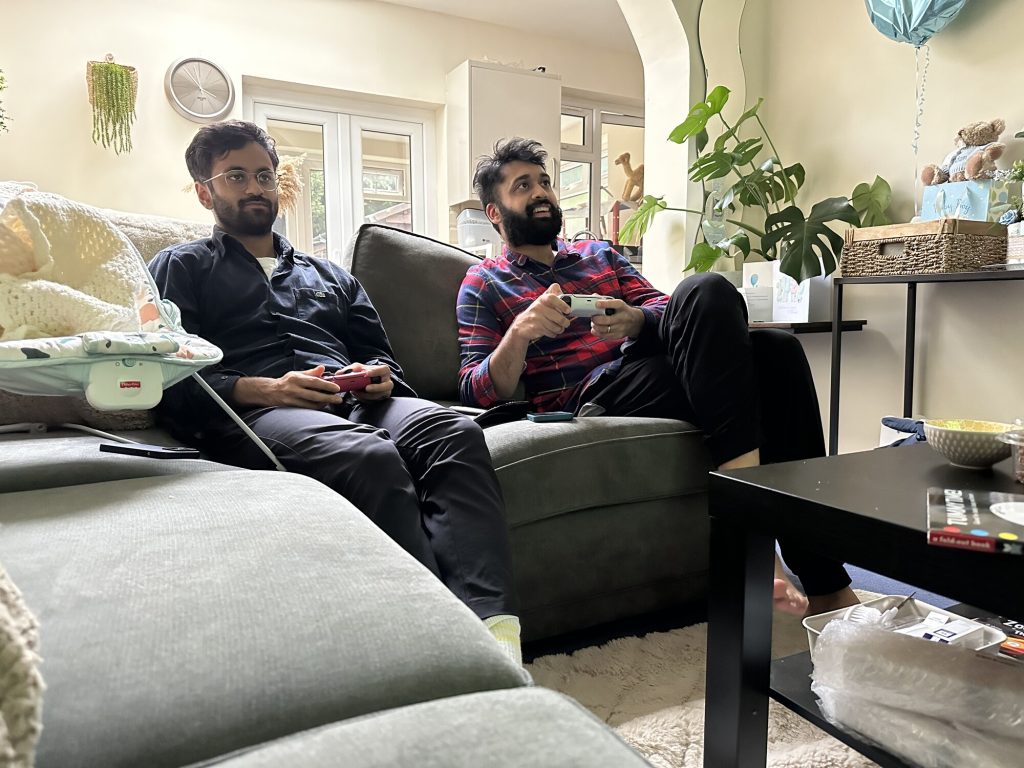
Whether it is jumping into co-op chaos with friends, chatting nonsense in a party, or just knowing people are there, gaming can be quietly supportive in ways that are easy to overlook. It is not always deep conversations or big emotional moments. Sometimes it is just being there, doing something together, without needing to explain everything.
That counts.
Indie games are often where the real conversations happen
While big-budget games occasionally dip into mental health themes, it is usually indie developers who are willing to really sit with them.
Probably because they can.
Indie games are often more personal. More experimental. More willing to be uncomfortable or messy. And when you are dealing with something like mental health, neat and tidy does not really cut it.
Heck, even Mewgenics, which we reviewed recently, approaches mental health in some aspects. Your cat can get depression as well as many other disabilities, and while initially they may seem like a negative thing, with the right tools and approach, they can actually lead to positive outcomes.
5 indie games that tackle Mental Health topics we think are worth checking out
The games below are not “fixes”. They are not here to solve anything. But they do something arguably more important in relation to mental health. They acknowledge. They explore. They reflect experiences that a lot of people recognise but do not always see represented properly.
SHUT IN
There is something quietly brutal about SHUT IN.
On the surface, it leans into dark comedy and psychological horror, but underneath that is a very real exploration of depression and isolation. Being trapped inside a hostile version of your own home feels less like a clever setting and more like an uncomfortable truth for a lot of people who have struggled to leave their own space during difficult periods.
The narrator does not help either. Sarcastic, rude, unreliable, constantly chipping away at you. It mirrors that internal voice a lot of people know far too well.
It is not always an easy game to sit with, but that is kind of the point.
When The Darkness comes
Short, sharp, and very direct.
When The Darkness comes does not waste time dressing things up. It leans fully into exploring depression and darker mental health themes, and it does so in a way that feels intentionally uncomfortable at times.
It is one of those experiences that does not necessarily give you answers, but it does make you feel seen if you have ever been in that sort of headspace. And sometimes, that is enough.
Neurodeck
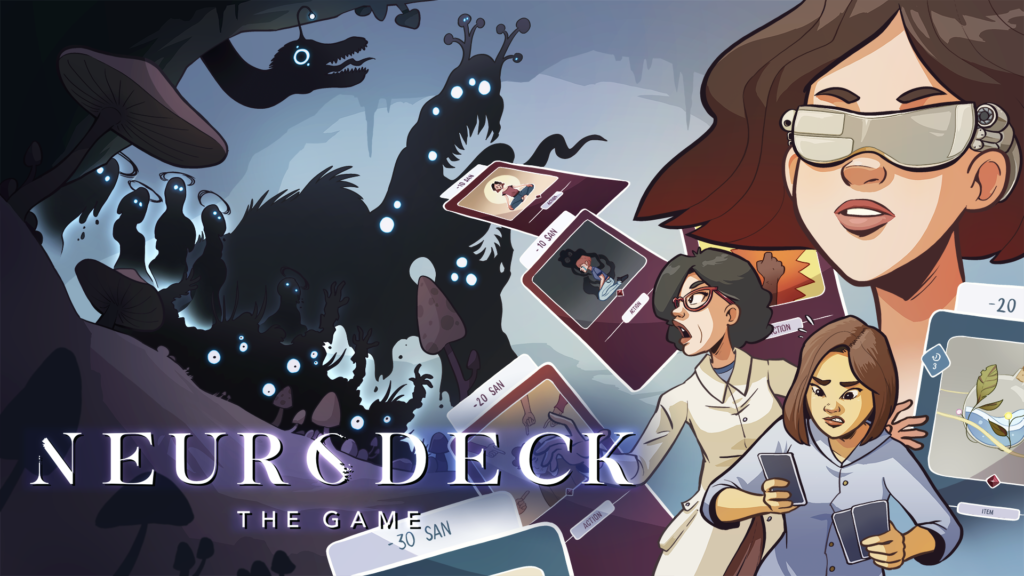
Neurodeck takes a very different approach.
Instead of narrative-driven exploration, it turns mental health struggles into something more mechanical. A card-based system where you are literally fighting phobias, anxieties, and inner demons.
On paper, that sounds like it could trivialise things.
In practice, it works surprisingly well.
It gives players a sense of agency. You are not just observing struggles, you are actively working through them, building coping strategies, and progressing over time. It is not a perfect metaphor, but it is an interesting one, and one that sticks with you.
Celeste
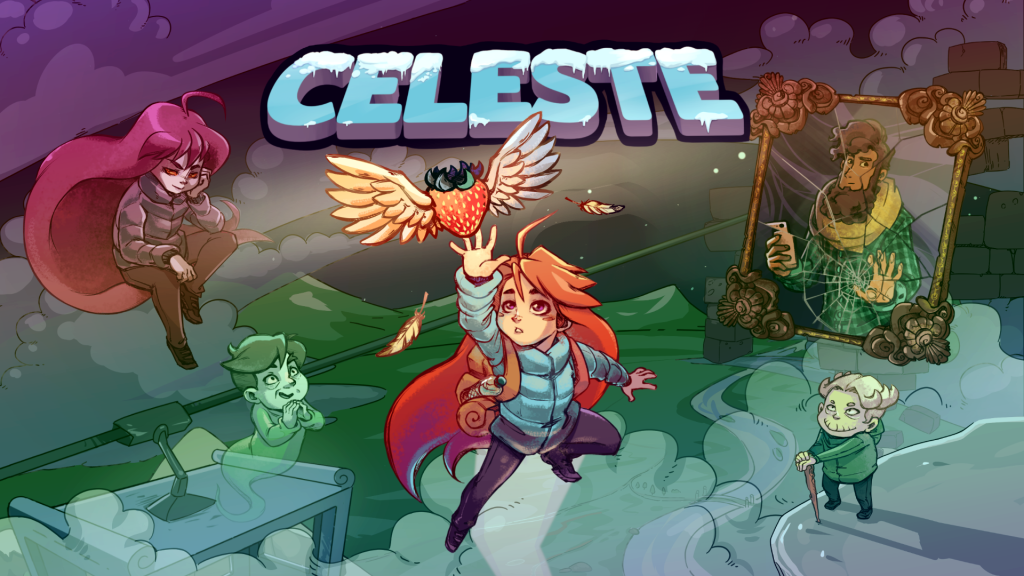
Celeste is probably the most well-known example here, but it is worth mentioning for a reason.
On the surface, it is a tight, challenging platformer about climbing a mountain. Underneath that, it is a story about anxiety, self-doubt, and the constant battle with your own thoughts.
The clever part is how the gameplay mirrors that struggle.
Every failed jump, every retry, every moment where you think you cannot make it and then eventually do. It all feeds into the wider message. Progress is not always clean. It is messy, frustrating, and sometimes feels impossible, but that does not mean it is not happening.
It is one of those games that quietly resonates long after you have finished it.
The Quiet Things

This is the one to watch.
The Quiet Things is an upcoming autobiographical narrative game built around deeply personal experiences, including childhood abuse, self-harm, and suicide, drawn from the developer’s own diary entries.
It has already caused some controversy, with its trailer reportedly being pulled from the BAFTA Games Awards showcase. Whether that decision was justified or not is a separate conversation, but it does highlight something important.
Games that tackle difficult subjects will always make people uncomfortable.
But that does not mean they should not exist.
If anything, it makes them more important.
There is a difference between being exploitative and being honest. And when developers are willing to put something this personal out into the world, whether as a way of processing their own experiences or helping others feel less alone, that deserves attention, not silence.
It is not about fixing things
Gaming is not a solution to mental health struggles.
Indie games are not therapy.
But they can help in their own way.
They can give you space. They can give you perspective. They can reflect things you might not be able to put into words yourself. And sometimes, they can just give you a break when you need one.
And honestly, that is enough.
If you are struggling, you are not alone, even if it feels like it sometimes. Whether it is through games, friends, or just taking things one step at a time, things can shift.
Slowly. Messily. Imperfectly.
But they can shift.
And if nothing else, there is always another game to pick up, another world to step into, and another moment to breathe for a bit.
If you need support with your mental health
If this piece touches on anything you are going through, it is worth saying clearly: you do not have to deal with it on your own.
Gaming can help. Friends can help. But sometimes you need proper mental health support, and that is completely okay.
Below are some places you can reach out to, depending on where you are:
United Kingdom
- Samaritans – Available 24/7 for anyone struggling or in distress
Call: 116 123
Website: samaritans.org - Mind – Mental health support, advice, and resources
Website: mind.org.uk
Europe (General)
- 112 – Emergency number across most EU countries
- Befrienders Worldwide – Emotional support services across Europe and beyond
Website: befrienders.org
United States & Canada (North America)
- 988 Suicide & Crisis Lifeline (US) – Call or text 988
Website: 988lifeline.org - Talk Suicide Canada –
Call: 1-833-456-4566
Website: talksuicide.ca
South America
- Centro de Valorização da Vida (Brazil) –
Call: 188
Website: cvv.org.br - Befrienders Worldwide also lists services across South America
Asia
- AASRA (India) –
Call: +91 9820466726
Website: aasra.info - Lifeline Japan (TELL) –
Website: telljp.com
Africa
- SADAG (South Africa) –
Call: +27 800 567 567
Website: sadag.org - Befrienders Worldwide can help find local support across the continent
If you are in immediate danger or feel unsafe, please contact your local emergency services.
Reaching out can feel difficult, but it is one of the most important steps you can take.
And if there is one thing that has stuck with me from a training course I did with Safe In Our World, the video game mental health charity, it is this: even when it feels like there is no light ahead, recovery is not just possible, it is probable.
You can find plenty more lists like the one above as well as other opinion pieces under our features section on the menu bar.