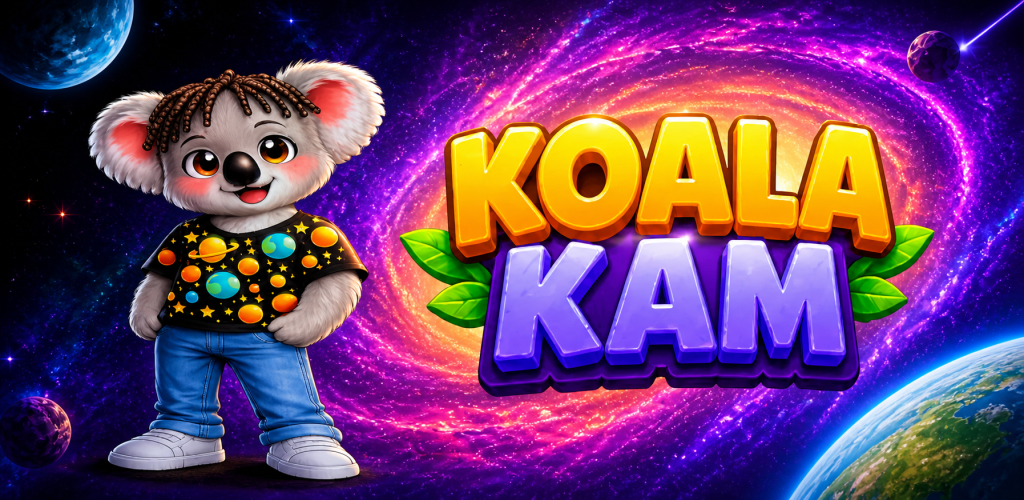
Triple-match games are hardly in short supply, particularly on mobile, so making another one comes with an obvious question: why should anybody pick yours?
Dorn Bros Entertainment is hoping Koala Kam has an answer.
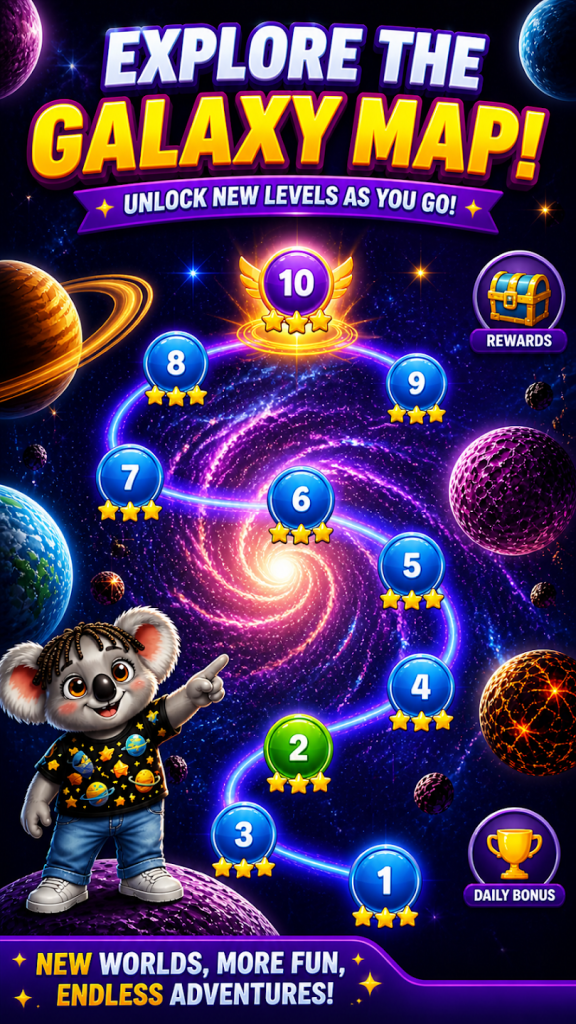
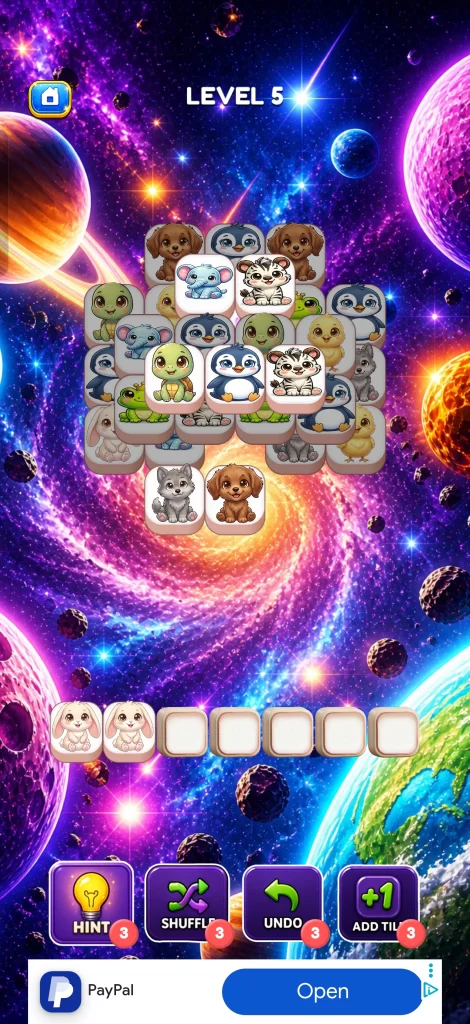
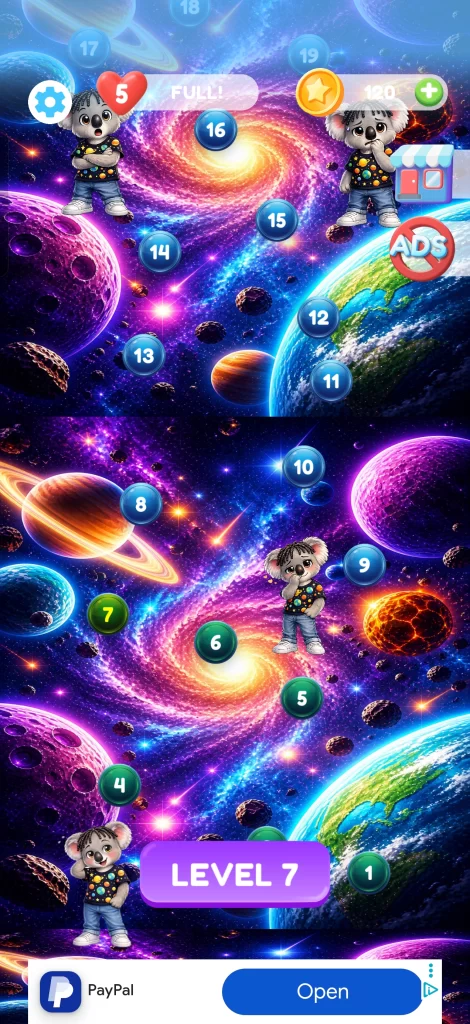
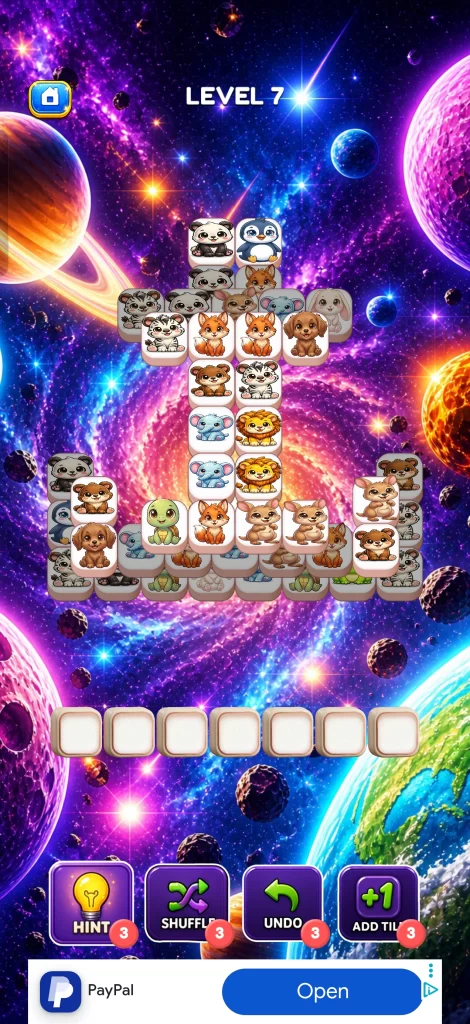
Koala Kam’s Triple Match takes the familiar tile-matching formula and sends it into space, with hundreds of puzzle levels spread across colourful galaxy-themed worlds. Players match three identical tiles, clear increasingly challenging boards, complete missions and collect rewards, with daily bonuses encouraging them to keep checking back in.
It is also currently an Android exclusive, which makes the platform choice particularly interesting at a time when many mobile developers instinctively aim for both major ecosystems from the outset.
Behind it is Albert Dorn of Dorn Bros Entertainment, an independent family-owned studio that is not just making mobile games, but trying to build its characters and ideas across a broader entertainment universe.
We caught up with Albert to talk about entering one of mobile gaming’s most crowded genres, designing puzzles that stay relaxing without becoming mindless, the realities of monetising free-to-play games, and why Koala Kam is currently flying solo on Android.
Before we head off into space with Koala Kam, could you introduce yourself and tell us a little about your background? How did Dorn Bros Entertainment come together, and what made you want to start building games?
I’m Albert Dorn of Dorn Bros Entertainment, an independent, family-owned entertainment company. We’re building original games and characters that people can connect with over time. Games appealed to me because they let players take part in a world instead of only watching its story unfold. Koala Kam is one part of that larger goal.
Triple-match is already one of the most competitive genres on mobile. What made you choose that format for Koala Kam rather than starting with something less crowded?
Its familiarity was part of the appeal. Players can understand the basics quickly, which gives us room to focus on how the puzzles feel, how the challenge develops, and the world surrounding them. We knew entering a crowded genre meant earning players’ attention through the experience itself.
Was Koala Kam himself the starting point, or did the puzzle concept come first, and the character and galaxy setting grow around it afterwards?
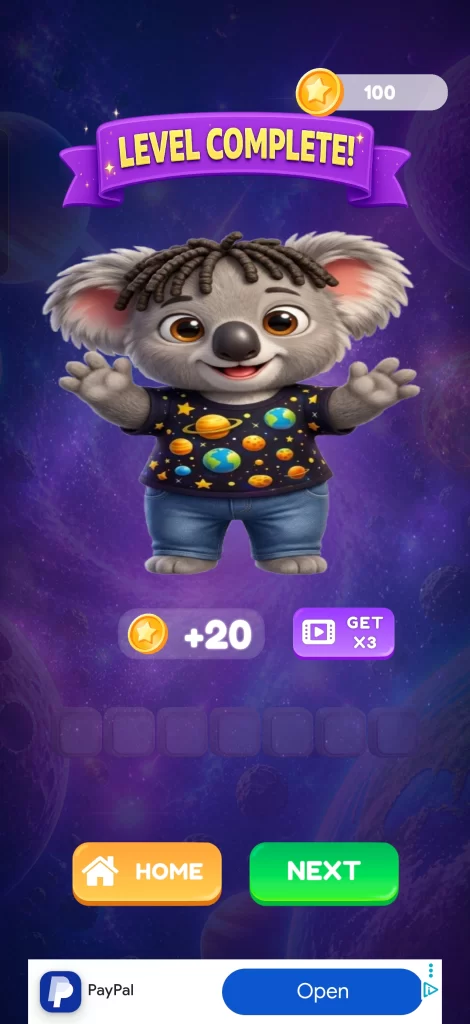
Koala Kam came first. We created him as a character before deciding what kind of game to build around him. Triple-match felt like the perfect place to start: it’s easy for players to jump into, and it gives us a colourful way to introduce Kam and his world.
The game is pitched as relaxing, but you also have hundreds of levels and increasing challenge. How do you make later stages feel more interesting without turning a laid-back puzzle game into something frustrating?
The goal is to make players pause and think without making them feel stuck for too long. Later puzzles should ask for better decisions, while the core matching action stays easy to understand. We also listen to where players have trouble and use that feedback as we improve the experience.
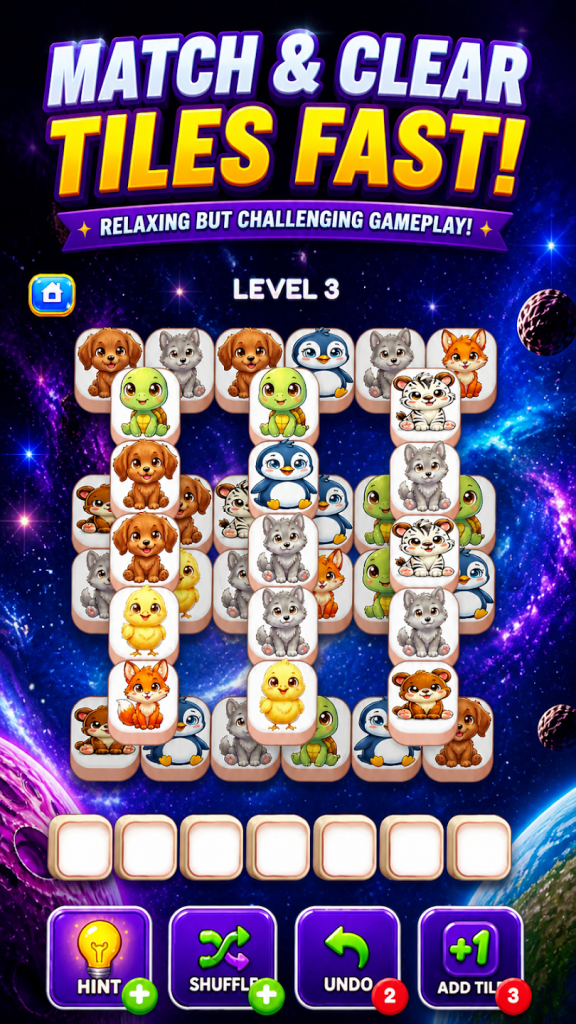
When the core mechanic is as immediately familiar as matching three identical tiles, where do you think the game really gets its own identity? Is it the level design, the space theme, Koala Kam as a character, or the progression around the puzzles?
It’s the combination. Matching tiles is the foundation, but Koala Kam, the galaxy setting, the visual style, and the sense of progress give players a reason to remember this particular game. We want it to feel welcoming when someone opens it for a quick break.
Missions, rewards and daily bonuses give players reasons to keep returning beyond simply clearing the next board. How do you design those systems so they feel rewarding rather than like obligations players have to keep up with?
They should be a pleasant extra for players who want them. A player ought to be able to open the game, enjoy a few puzzles, and leave satisfied. Missions and rewards work best when they add variety and a reason to return without making anyone feel punished for taking a day off.
The current version uses both advertising and optional in-app purchases. Mobile monetisation can be a difficult balancing act, particularly in a family-friendly game. What principles do you follow to make sure monetisation does not get in the way of the actual puzzle experience?
The puzzle comes first. Ads and optional purchases help support continued development, but they should not interrupt a player at the wrong moment or make the game feel impossible without paying. We want players to understand their choices and still enjoy the core game for free.

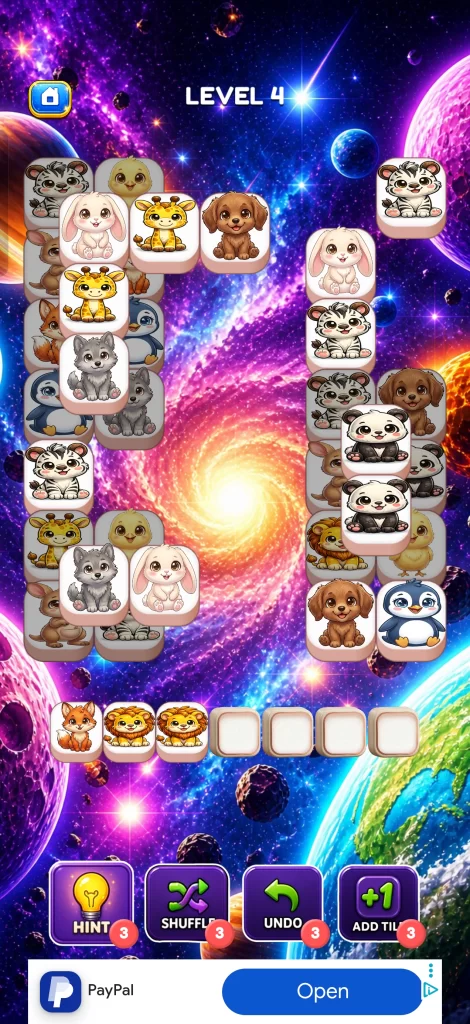
Do you think mobile players have become increasingly sensitive to aggressive advertising and paywalls? Has that changed the way you approach when and how players are asked to engage with ads or purchases?
Yes, and I think developers should take that seriously. Players notice when an ad breaks their concentration or a purchase prompt appears too often. We’re continuing to refine the timing and placement of monetization so it supports the game without taking over the experience.
Koala Kam’s Triple Match is currently exclusive to Android. Why was Android the right home for the game, and was staying on one platform a deliberate strategic choice rather than simply the first stage of a wider rollout?
Android gave us a focused place to release Koala Kam, learn from real players, and keep improving it. For a small studio, concentrating our effort on one version helps us respond to feedback and make thoughtful updates. That focus has been valuable as we develop the game.
What would need to happen before you considered bringing Koala Kam to iOS or another platform? Is the current exclusivity something you see lasting, or are you treating Android as the place to prove the game first?
I wouldn’t rule it out. We would want to be confident we can give players on another platform a polished experience and support it properly after launch. Right now, our priority is making the Android game as strong as it can be.
Discoverability on Google Play is notoriously difficult, especially for independent studios competing against publishers with huge user-acquisition budgets. What have you learned about actually getting people to notice a new mobile puzzle game after it launches?
A launch alone doesn’t guarantee discovery. You have to show people what the game actually feels like, make the store page clear, test creative ideas, and pay attention to what happens after someone installs. For us, that means improving the game and its presentation together, then learning from player response instead of assuming one campaign will solve everything.
Dorn Bros describes itself as building games, comics and connected fictional worlds rather than just standalone apps. Is Koala Kam intended to become a character who can exist beyond Triple Match?
That possibility is exciting to us. Dorn Bros is interested in characters and worlds that can grow across different kinds of entertainment. We’re focused on making Koala Kam’s current game worthwhile on its own, while keeping an open mind about where the character could go next.
Does that broader approach change how you design a game like this? Are you thinking about personality, worldbuilding and future stories in ways you perhaps would not if Koala Kam were simply a mascot for one puzzle title?
Yes. It encourages us to think about Kam as a character with a recognisable look and personality, and about the setting as a world players might want to revisit. Those details matter even in a puzzle game. They help turn a familiar mechanic into something that feels like part of Dorn Bros.
As an independent family-owned studio, what do you think you can do differently from the much larger mobile publishers dominating this space? Does being smaller give you more freedom to experiment, or mostly mean you have to be smarter about where you spend your time and money?
We can make decisions close to the work and respond directly to what players tell us. Being small also means choosing our priorities carefully; we cannot do everything at once. That pushes us to stay focused on the details that have the biggest effect on the player’s experience.
Finally, if we come back to Koala Kam’s Triple Match a year from now, what would make you feel it had genuinely succeeded? Is it reaching a certain number of players, building a loyal community, growing Koala Kam into a wider character, or simply proving Dorn Bros can carve out its own corner of mobile gaming?
I’d be proud to see a community of players who genuinely enjoy Koala Kam, come back because they want to, and recognise the character beyond a single puzzle. Growth matters because it lets us keep building, but the real test is whether we’ve made something players feel was worth their time.
A big thank you to Albert Dorn for taking the time to speak with us about Koala Kam’s Triple Match.
There is no shortage of matching games on mobile, which means simply understanding how to make three tiles disappear is not enough to stand out anymore. The bigger challenge is giving players a reason to choose your particular collection of colourful squares over the thousands already competing for space on their phones.
For Dorn Bros, that answer seems to lie partly in character, partly in presentation, and partly in treating Koala Kam as something that could potentially grow beyond a single puzzle game.
The Android-only approach is an interesting part of that journey too. Focusing on one platform may mean a smaller immediate audience, but it also gives an independent studio somewhere to refine the game, understand its players and work out what comes next without trying to be everywhere at once.
For now, Koala Kam has an entire galaxy of tiles to clear on the Google Play Store.
Which, judging by how these games tend to go, should keep him busy for a while.
For even more Q&As with people from the indie gaming world, check out our Interviews section.