You know the setup of a co-op horror by now.
You and a few friends have accepted a job that no sane person would touch. The building is dark, your employer is probably evil, and something tall with far too many teeth is wandering around nearby.
There will be equipment to carry. There may be a quota to meet. Somebody will suggest splitting up, despite every horror film ever made explaining why that is a terrible idea.
Then one of your friends will disappear around a corner, their voice will cut out through proximity chat, and everyone else will start laughing instead of helping.
Co-op horror has become one of indie gaming’s most dependable formulas.
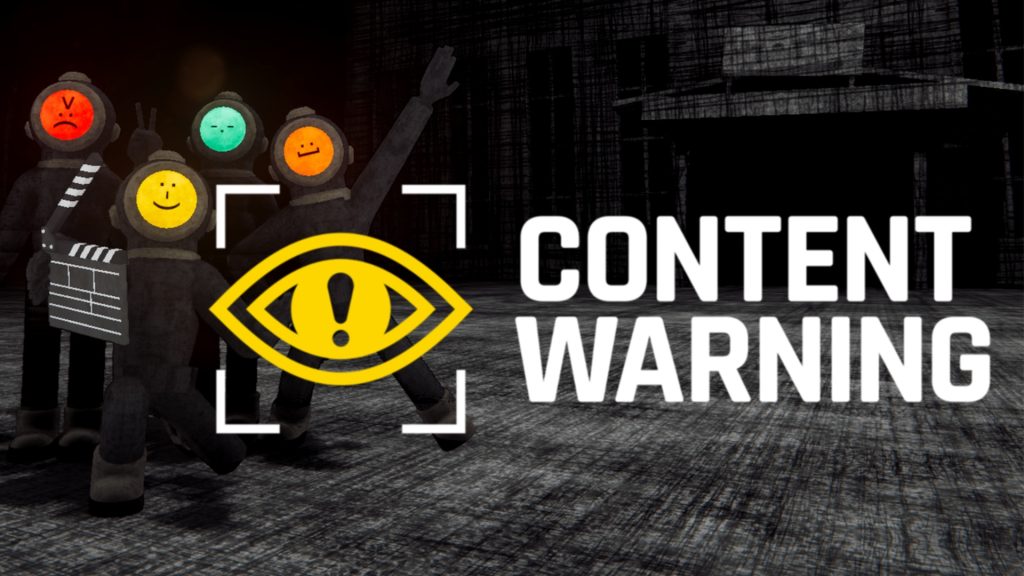
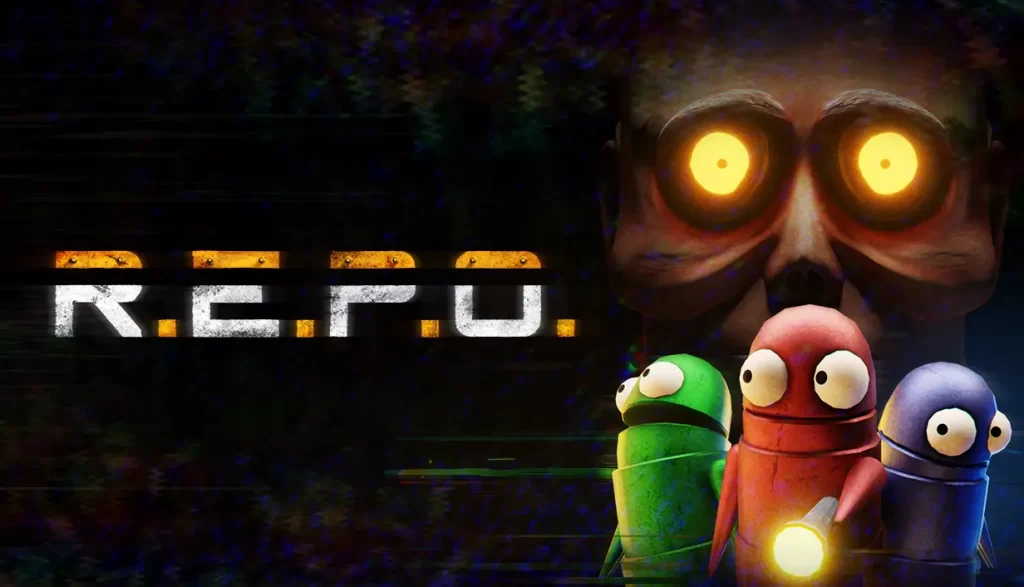
Phasmophobia sends four paranormal investigators into haunted locations to gather evidence. Lethal Company has players scavenging abandoned moons for scrap. Content Warning asks friends to film monsters and return with footage capable of going viral. R.E.P.O. combines extraction objectives with physics-based valuables, proximity chat and up to six players stumbling through hostile environments.
Those games are not identical, and the best of them have clear identities of their own.
But their success has helped produce a very recognisable wave of releases built around horror, teamwork, simple objectives, unpredictable monsters and friends making everything significantly worse.
It is starting to feel familiar.
A bit like survival crafting did before it.
We have seen this cycle before
For years, survival crafting became one of indie gaming’s default pitches.
You would wake up somewhere hostile with no trousers, punch a tree, collect stones, build a workbench and begin the long journey towards constructing a house shaped like an ugly wooden box.
The details changed, but the structure often did not.
There would be hunger meters, crafting recipes, base-building, procedural terrain, resource gathering, and a roadmap promising several years of updates. Some games did wonderful things with that formula. Others felt like they had started with the Steam tags and worked backwards from there.
Survival crafting became attractive because it offered a mixture of commercial promise and reusable systems. Players could create their own stories, streamers could generate endless material, and developers could expand the game over time without needing to build a tightly scripted campaign from beginning to end.
Co-op horror now offers many of the same advantages.
A developer can create a contained location, a set of objectives, several monsters and enough unpredictable interactions to make each session play out differently.
The players provide much of the entertainment themselves.
Fear turns into panic. Panic turns into bad decisions. Bad decisions turn into stories people tell afterwards.
That makes the genre appealing to developers, creators and players for very understandable reasons.
It also makes it dangerously easy to imitate.
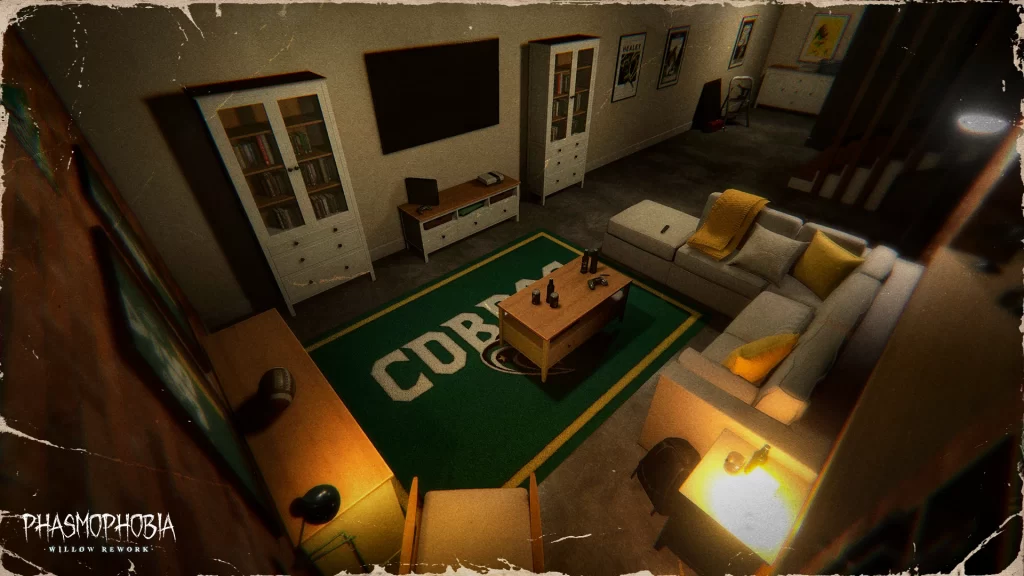
Phasmophobia proved fear could become a group activity
Phasmophobia was not the first multiplayer horror game, but it helped establish a form of co-op horror that felt less like fighting monsters together and more like attempting to do an actual job while terrified.
Players enter haunted properties, use equipment, gather evidence and try to identify the ghost before leaving with their lives and whatever dignity remains.
The important part is not just the ghost.
It is the uncertainty between players.
Someone has to enter the basement. Someone has forgotten the equipment. Someone is reading the evidence incorrectly but sounds confident enough that everyone believes them.
The horror works because players are dependent on one another while never being completely reliable.
Phasmophobia also gave groups a structure that was easy to understand but difficult to master. New players could contribute almost immediately, while experienced hunters learned behaviours, evidence patterns and ways to manipulate the ghosts.
That balance helped it become more than a co-op horror game people played once for a funny evening.
Years later, Kinetic Games is still reworking maps, improving equipment and preparing the game for its eventual 1.0 release. The fact that we are still regularly covering major Phasmophobia updates says plenty about how firmly it has held onto its audience.
Lethal Company made failure funnier than success
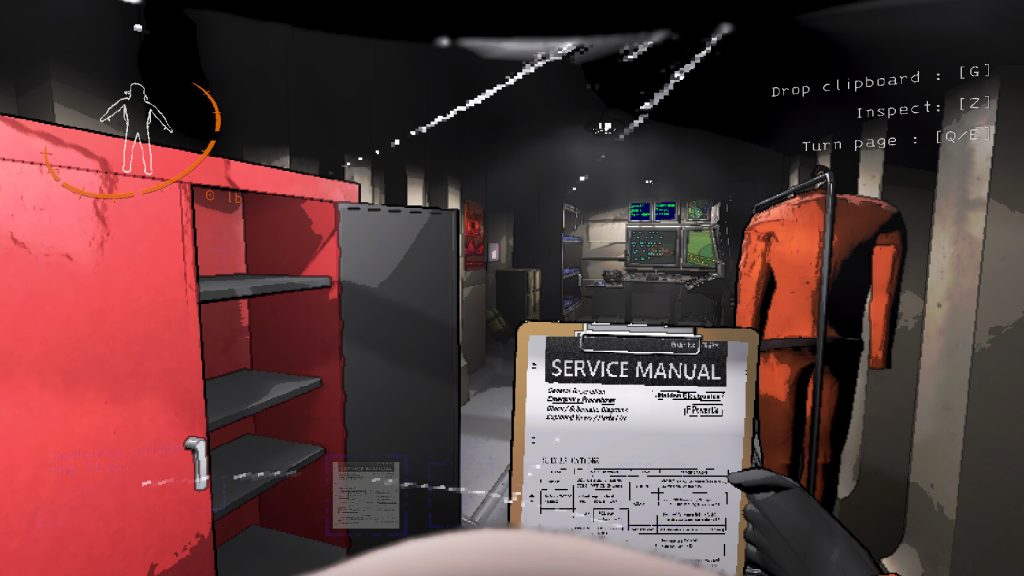
Lethal Company pushed the formula in a different direction.
Its players collect scrap from abandoned moons to meet a corporate quota, while environmental hazards and creatures steadily turn a simple work shift into complete disaster.
The actual objective is clear.
Get in. Grab valuable things. Get out.
The joy comes from everything going wrong between those three steps.
Lethal Company understood that horror and comedy are not opposites. A monster can be frightening when you first encounter it and hilarious seconds later when it launches your friend across a room.
Its low-fi presentation also worked in its favour. The game did not need realistic character animation or expensive cinematic scenes because the awkward movement, limited communication and sudden deaths became part of its identity.
More importantly, it created situations rather than jokes.
The game did not have to tell players when to laugh. It provided the rules, threats and tools, then allowed people to create their own terrible decisions.
That distinction matters.
A game designed to generate funny situations can remain entertaining.
A game that simply expects your friends to be funny is much more fragile.
The co-op horror genre now has its own slightly insulting name
Cheap, chaotic multiplayer games have increasingly been grouped under the label “friendslop”.
The term is usually applied to accessible co-op releases built around social interaction, low prices, funny physics and sessions that are often more enjoyable because of the people playing than the depth of the underlying mechanics.
Some players and developers have embraced the term affectionately. Others understandably dislike the suggestion that games designed around friendship and laughter are disposable rubbish. The label has expanded well beyond horror, covering climbing games, social deduction, physics challenges and other forms of co-operative chaos.
It is a silly name.
It also describes a genuine shift in what many players currently want.
Not every group has time for a 100-hour campaign. Not everyone wants ranked matchmaking, battle passes or a competitive community that treats losing one round like a personal betrayal.
A cheap game that can be understood in minutes and enjoyed with friends for an evening has obvious appeal.
Horror fits that model beautifully because fear creates instant reactions.
Players do not need to understand complicated systems to enjoy watching a friend panic and run directly into the threat everyone else was trying to avoid.
Streamers did not create the genre, but they made it difficult to ignore
Co-op horror is almost perfectly designed for online video.
Proximity chat means voices naturally disappear when players separate. Unpredictable enemies create sudden reactions. Simple objectives make the footage easy to follow even if the viewer has never played before.
Most importantly, every player is a potential source of chaos.
One person can misunderstand the plan, trigger a monster, break something valuable or abandon the group at exactly the wrong moment. The resulting clip has a beginning, escalation and punchline without anyone needing to script it.
Content Warning turned that relationship into the actual premise. Players descend into a dangerous world specifically to film frightening footage, then return home and upload it in pursuit of online fame.
The joke works because it mirrors what happens outside the game.
Players create ridiculous horror footage, upload it, and potentially help the game itself spread through social media.
That is not necessarily cynical. It is a clever meeting point between theme and player behaviour.
But once developers see how effectively those clips drive discovery, there is an obvious temptation to build games around what will look funny in a 30-second video rather than what will remain enjoyable after ten hours.
That is where the co-op horror genre risks becoming content creator bait.
A loud reaction is not the same as lasting design
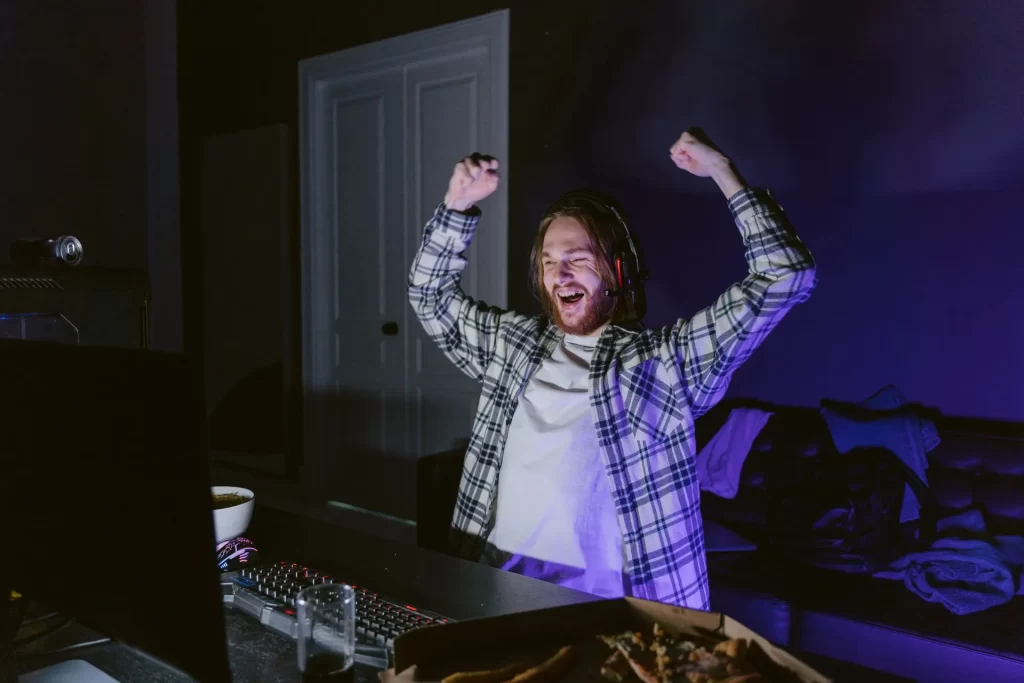
It is easy to make someone scream once.
A sudden noise, an ugly face filling the screen, and a monster appearing behind a player can all produce a strong reaction.
The harder challenge is creating a game people still want to play after they know the trick.
The strongest co-op horror games build their longevity around systems.
Phasmophobia asks players to interpret evidence and learn ghost behaviours. Lethal Company combines risk, resource management and escalating quotas. R.E.P.O. makes the physical handling of objects part of the challenge, meaning a team can survive the monster and still ruin everything by dropping an expensive vase down the stairs.
Those mechanics produce different problems from one session to the next.
A weaker imitation may have the same dark corridors, proximity chat and grotesque creature, but very little happening underneath them.
Once the initial scare has worn off, the game is left hoping the players will continue entertaining one another.
Friends can make almost anything funny for an evening.
That does not automatically make the thing they are playing good.
The new wave is already searching for different hooks
The encouraging news is that plenty of newer co-op horror games understand that proximity chat and an extraction van are no longer enough.
KLETKA traps up to six players inside a descending elevator that is itself trying to eat them. Players must feed it, explore deadly floors and continue deeper into a hostile structure.
It still contains familiar co-op horror elements, but “the elevator is hungry” is at least a sentence capable of making someone stop scrolling.
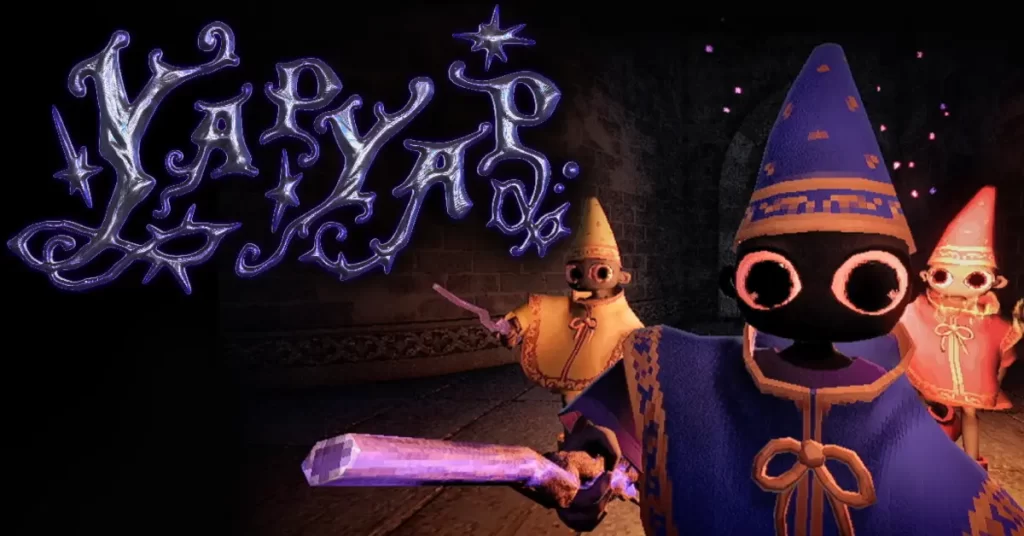
YAPYAP replaces abandoned industrial scavenging with magical vandalism. Players become wizard minions breaking into rival towers, causing enough destruction to meet a quota while avoiding the creatures protecting the place.
This co-op horror game reportedly sold 500,000 copies during its first week, showing there is still enormous commercial potential when a new release gives the format a recognisable twist.
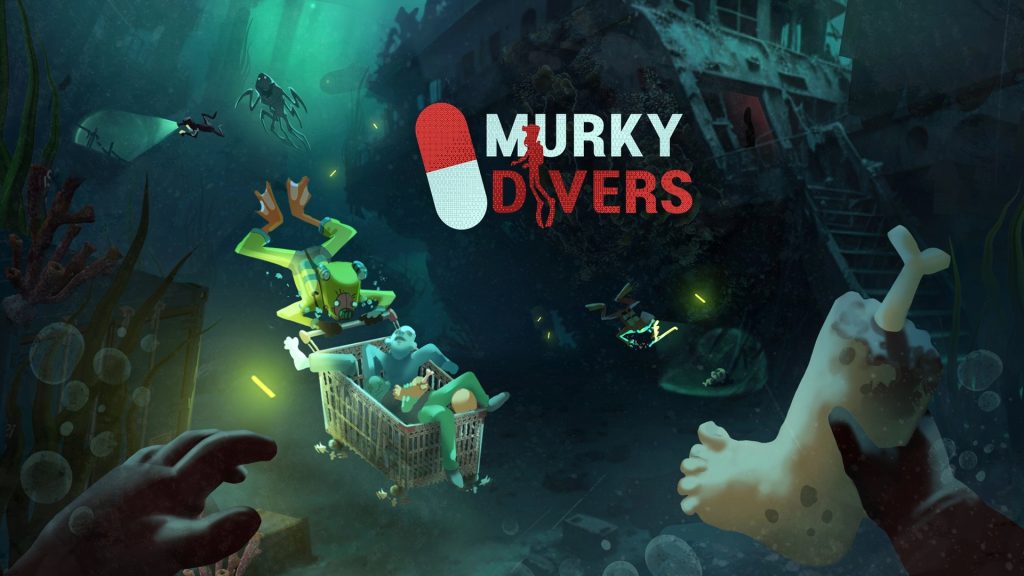
Murky Divers takes its teams underwater, asking up to eight players to navigate a submarine and dispose of evidence from abandoned laboratories while avoiding whatever remains inside them.
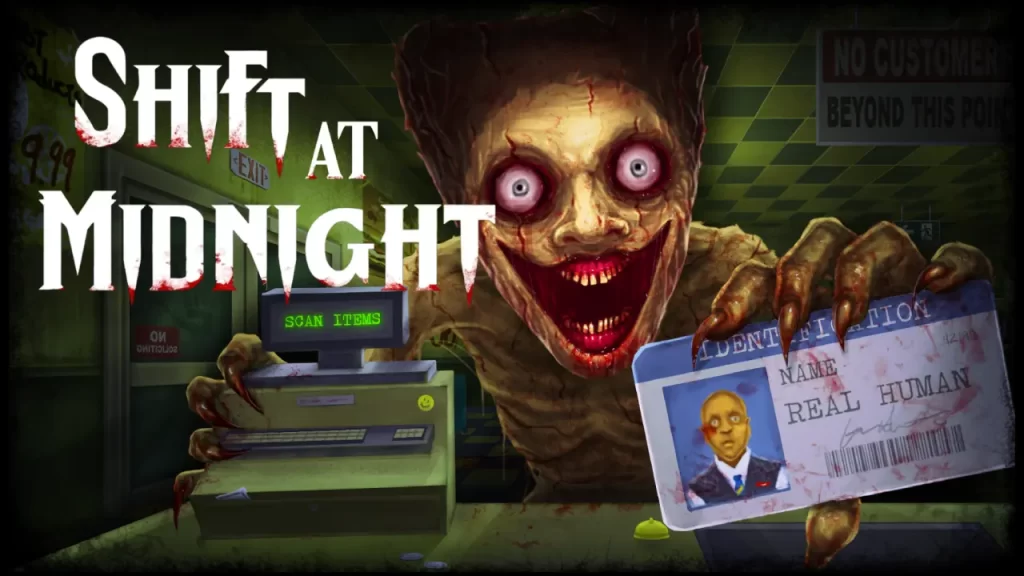
Shift At Midnight, released on 22 July 2026, turns the co-op horror formula into a supernatural customer-service nightmare. Up to three players investigate shoppers during randomly generated shifts, trying to determine which customers are only pretending to be human before the situation deteriorates into barricades, traps and hiding.
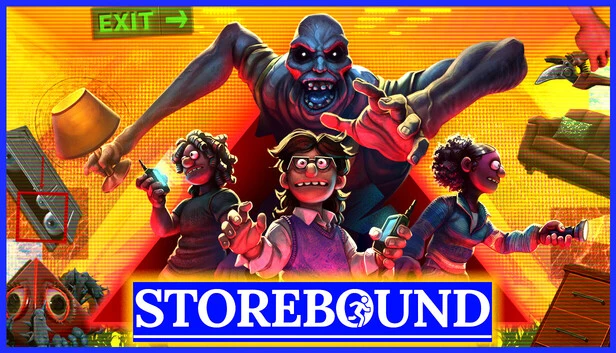
Storebound takes another route, offering a five-to-seven-hour co-op puzzle campaign set inside a cursed megastore rather than building itself entirely around endless extraction runs.
All of those games remain recognisably part of the current co-op horror wave.
But each has at least tried to answer the important question:
Why this one?

Setting alone is not always enough
There is now a co-op horror game for almost every unpleasant workplace imaginable.
Haunted houses. Abandoned laboratories. Underwater facilities. Shopping centres. Space stations. Forests. Warehouses. Hotels. Mines. Offices. More laboratories.
Changing the wallpaper helps, but it does not automatically change the experience.
A supermarket can still feel exactly like a moon base if players are once again collecting valuable objects, meeting a quota and avoiding a creature that patrols procedural corridors.
The setting needs to affect how the game works.
An underwater game should make communication, oxygen, navigation and pressure part of the danger.
A shop should use customer behaviour, product layouts and strange retail rules.
A magical tower should let players solve and create problems through magic rather than simply replacing the flashlight with a glowing wand.
The best genre games build their mechanics from their identity.
The weaker ones place a familiar loop inside a new building and hope nobody notices.
We notice.
Why developers keep choosing co-op horror
It would be unfair to assume every developer entering this genre is cynically chasing Lethal Company’s success.
There are practical reasons co-op horror is attractive to smaller teams.
A contained environment can be more achievable than a vast open world. Darkness hides visual limitations while also improving the atmosphere. Reusable systems can create more playtime than a fully scripted linear story.
Multiplayer also gives players reasons to invite other players.
A single purchase can turn into three or four sales because one person needs friends to play with. Keeping the price relatively low makes it easier for an entire group to take a chance.
Then there is replayability.
Random layouts, enemy combinations, item placement and player behaviour can make a modest amount of authored content last much longer than it would in a traditional single-player game.
None of that makes development easy.
Networking is difficult. Matchmaking, voice communication, latency, exploits and synchronisation create problems a single-player developer may never encounter. A multiplayer game also needs enough active players to remain healthy, particularly when it lacks a meaningful solo mode.
And once the audience arrives, it usually wants more.
More monsters. More maps. More items. More progression. More reasons to return.
What looked like a manageable small co-op horror game can quickly become an ongoing service maintained by an exhausted team.
The genre reduces certain development challenges.
It creates several new ones.
If you’ve not checked it out yet, we highly recommend watching The Making of The Outlast Trials documentary by The Escapist. It gives a great insight into developing a co-op horror game, especially from a series which started as a single-player horror game.
Horror changes when friends enter the room
There is another reason the format remains popular.
Co-op horror offers something single-player horror cannot replicate.
Traditional horror isolates the player. It controls the pace, removes reassurance and forces someone to sit alone with whatever is waiting in the dark.
Co-op horror introduces witnesses.
Fear becomes social.
Players can reassure one another, argue over what they saw, deliberately frighten their friends or lie about whether a room is safe. The monster is only one source of anxiety. The other players are often just as dangerous.
That can weaken the pure horror. A terrifying creature becomes much less intimidating when someone is running away while shouting nonsense into a distorted microphone.
But it creates a different experience.
The fear becomes more approachable because it is shared. People who might never play a serious solo horror game can enjoy Phasmophobia or R.E.P.O. because the group turns terror into comedy.
That is not a lesser form of horror.
It is just a different one.
The problem comes when every game settles for the comedy and forgets to make the horror work at all.
Not every monster needs to become a meme
A lot of current co-op horror creatures seem designed to be instantly recognisable in screenshots and clips.
That makes commercial sense. A distinctive monster gives a game an identity, creates fan art and helps viewers understand what everyone is running away from.
But horror cannot survive entirely on mascots.
A creature is not frightening simply because it is tall, smiles too widely or moves in a deliberately awkward way.
What matters is how it behaves.
Can players understand it? Can they manipulate it? Does it create difficult choices? Does meeting it change how the team approaches the level?
Phasmophobia’s ghosts matter because players must interpret their behaviour.
Lethal Company’s creatures create different problems, from immediate physical danger to threats that interfere with communication or punish particular actions.
The monsters become mechanics, not just reaction machines.
That is where imitators often fall short.
They design something intended to look unsettling in a trailer, then give it the same basic behaviour as every other enemy: spot player, chase player, kill player.
A memorable model may sell the first encounter.
Interesting rules create the tenth.
The survival-crafting comparison is not entirely fair
Co-op horror is showing many of the same warning signs as survival crafting.
A recognisable formula has produced major successes. Those successes have encouraged more developers to follow. Store pages increasingly contain the same collection of features and buzzwords.
But there is an important difference.
Survival crafting often demanded huge worlds, enormous content plans and years of support. Co-op horror can make a much smaller, stranger idea commercially viable.
That is worth protecting.
KLETKA does not need 500 hours of crafting progression to justify an elevator that wants to eat everyone. Storebound can offer a defined campaign rather than promising to become someone’s second life. Shift At Midnight can build an entire game around the simple anxiety of serving a customer who may not actually be human.
The genre gives odd ideas a structure players immediately understand.
That can encourage creativity rather than suppress it.
The danger is not the formula existing.
The danger is developers treating the formula as the idea.
What the next co-op horror hit needs
Another successful co-op horror game does not need to reject everything that came before it.
Proximity chat remains effective. Shared objectives work. Unpredictable monsters are fun. Watching a friend ruin a careful plan will probably never stop being entertaining.
But new co-op horror games need something stronger at their centre.
That could be:
- A task players have not already performed repeatedly
- A setting that meaningfully changes the mechanics
- Enemies governed by unusual, learnable rules
- Cooperation that requires more than carrying objects together
- Conflict between players without turning into another social-deduction clone
- A defined campaign rather than endless procedural runs
- Horror rooted in a particular culture, place or fear
- Systems that remain interesting after the first viral clips disappear
Most importantly, the game needs to provide stories rather than merely ask players to bring their own.
Give people tools, pressures and consequences.
They will handle the screaming themselves.

Our take on the rise of co-op horror games
Yes, co-op horror is becoming the new survival crafting.
Not because the two genres play the same way, but because co-op horror has become one of the first formats developers consider when looking for an achievable indie project with clear commercial potential.
The same elements are appearing repeatedly: small teams of players, dark locations, proximity chat, extraction objectives, simple progression and a monster ready to interrupt everything.
That familiarity is not automatically a problem.
Phasmophobia, Lethal Company, Content Warning and R.E.P.O. all show how much variety can exist inside a broadly similar space. Each understood that the real appeal was not simply being chased in the dark. It was how the rules allowed friends to create panic, comedy and stories together.
But another abandoned facility with a quota and a long-limbed creature is not enough anymore.
The genre is crowded. Players recognise the template immediately, and being vaguely funny on a stream is not a substitute for lasting design.
Co-op horror is not running out of life.
It is running out of excuses to repeat itself.
The next great game in this space will not succeed simply because friends can scream together.
It will succeed because it gives them a new reason to.
Want to check out more of our deep dives like this look at the co-op horror genre? Then click right here.