For all the convenience digital distribution has brought to gaming, there is still something satisfying about actually owning a game. Not having it attached to an account, a server, or a licence agreement. A box on a shelf. A disc you can pick up years later and, theoretically, still install and play.
Chandler Kravitz is trying to make that possible for indie PC games.
From a desk in St. Augustine, Florida, Chandler runs We The Indies entirely by himself, producing physical editions of indie games only when somebody orders one. There are no minimum print runs or warehouses full of unsold stock, and developers do not pay anything upfront or surrender exclusivity or rights. They send over the finished game and artwork; Chandler handles the rest.
A year after launching in September 2025, We The Indies had produced physical editions for six games and shipped 47 handmade copies, many of them travelling considerably further than expected to players in Germany, France, Italy and Finland. More interestingly, Chandler says demand rather than manufacturing capacity is the bottleneck: his setup can theoretically produce close to 1,000 discs per day, despite the entire ‘factory’ consisting of a printer, disc duplicator and shipping scale costing around $999.
Then there is Rialto, the software Chandler built to turn completed games into menus, installers and physical discs. Rather than keeping it proprietary, he released the whole thing under an MIT licence, meaning developers can use it for free and completely bypass We The Indies if they want to.
There is clearly more going on here than selling some nice boxes to collectors. So, we caught up with Chandler to find out where We The Indies came from, why genuine ownership matters to him, whether physical games still have a future, and why he is giving away the very software his business is built around.
Before we get into We The Indies itself, who is Chandler Kravitz? What is your background, and how did you end up as one person in Florida making physical editions of indie games from your desk?
This was the last question I answered in the whole list, if that tells anything about me haha… I started my creative career filming airsoft, and I had a gaming Let’s Play YouTube channel back in the day of Seananners, Machinima, and the great John Bain. I learned a ton technically and about myself, and then eventually moved to Los Angeles, where I had a nice career in film and esports.
My favourite thing I ever did was four seasons of Gears of War 4 and 5 documentary work; I got to follow and share the stories of all the players, casters, MLG crew, fans, and developers… It was so much fun and rewarding. Then COVID hit, and the film industry never fully recovered; I moved back to Florida a few years ago, and now I’m here taking everything I learned to make We The Indies. I still share stories with my own video games.
Take us back to the beginning in September 2025. Was there one particular moment, game, or frustration that made you think physical indie PC releases were something worth building a business around?
I was cutting pizzas at Domino’s, actually, when I was looking at the assembly feed of pizzas and chicken bites coming in, and I said, “Man, what if I made indie game discs when the orders came in? On-demand…” I knew about DiscMakers from when I was a kid. It’s a great company in New Jersey that makes massive disc duplicators; I’m sitting next to the big boy Reflect X5Pro right now, 15-disc burning at a time! I just needed to make the software, and just after Summer 2025 I launched. I’m coming up on my one-year anniversary, in fact!
Physical console releases still have a visible collector market, whereas boxed PC games have largely disappeared from mainstream gaming. Why did you see indie PC games specifically as the opportunity for We The Indies?
Just the other day, I went into my local retro game store. For fun, I asked if they had any PC games, and he said no: “PC discs were pretty much dead”. Nobody is making PC game discs anymore, while PC has the most games published to it compared to any other platform. The main reason for it is the loss of disc drives; I sell external drives on my website as close-to-cost as I can, and they’re some of my best-selling products! His comment only made me realise just how much of a market change We The Indies will make.
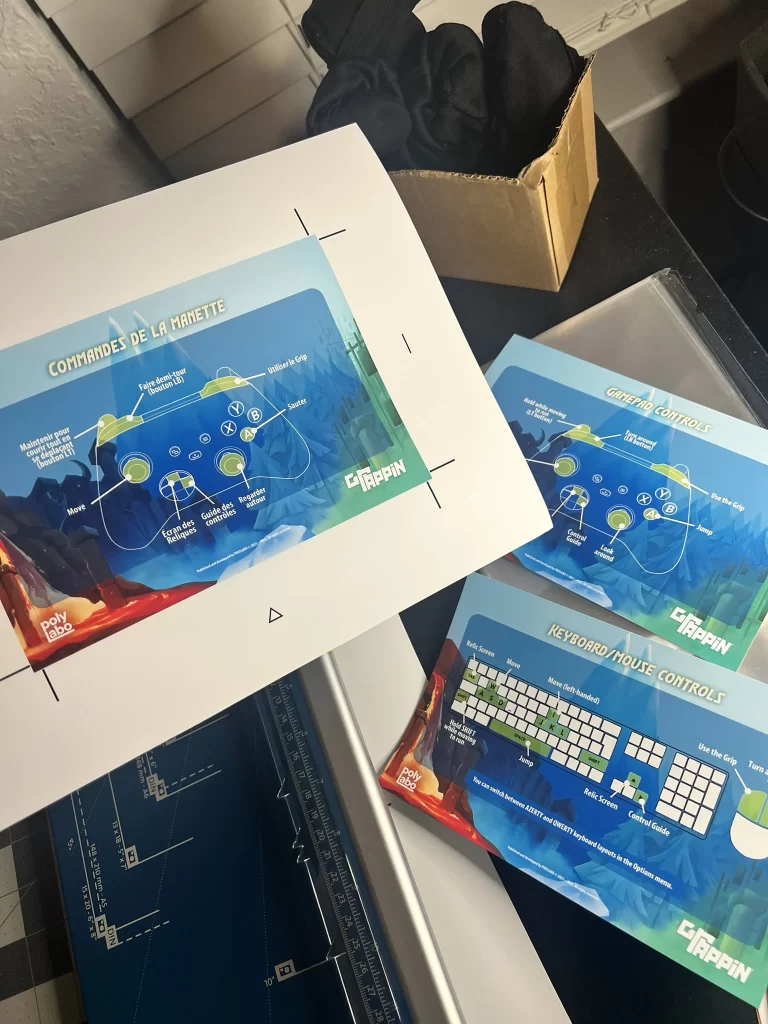
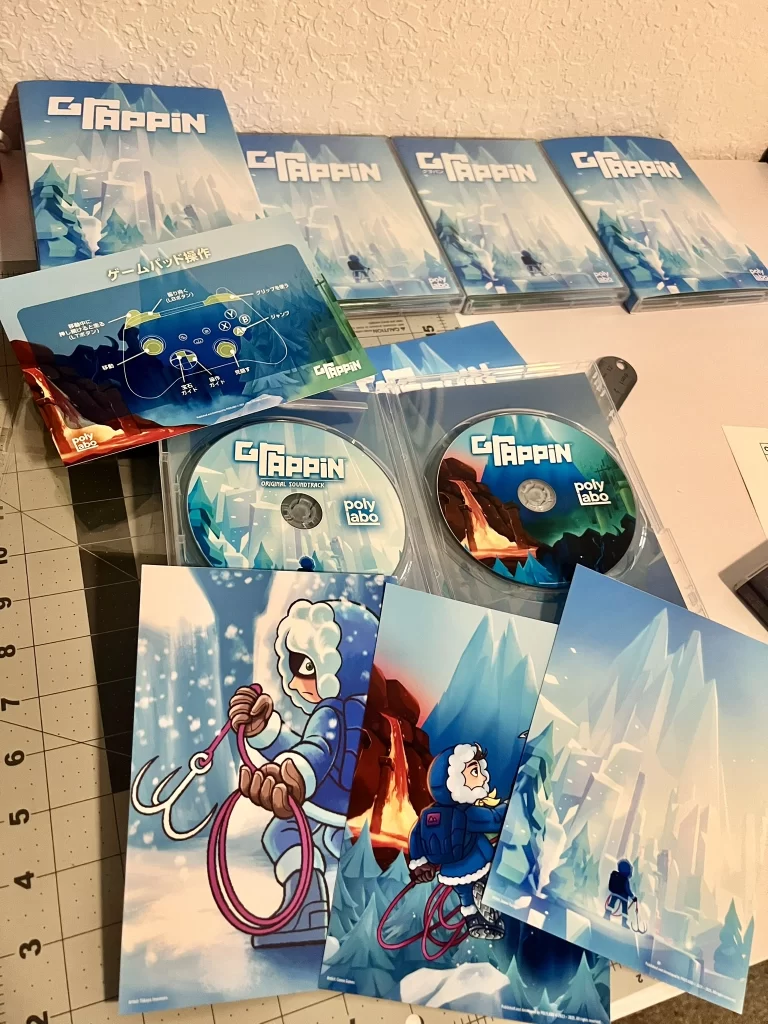
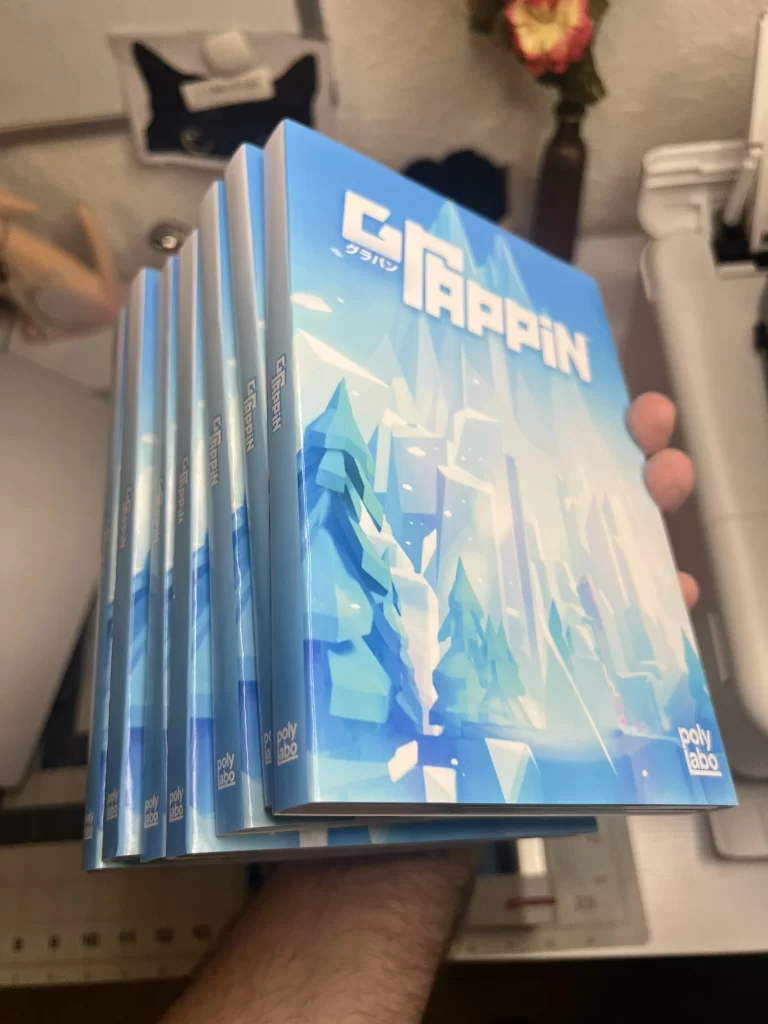
Your model for We The Indies makes the barrier for developers unusually low: they send you the game files and artwork, pay nothing upfront, agree to no minimum order or exclusivity, and give away no rights. Was removing all of those traditional commitments fundamental to the idea from day one?
Making things as easy and transparent as possible was fundamental, and the obvious choice. When you need to supply factories with orders, you can only work with media that can fill a factory’s worth of orders! This is why my system works; my setup fits in a bedroom corner and affords me the ability to accept any game at any time for any rate. Exclusivity rights, minimum orders, upfront payments… they don’t matter whatsoever to me. If your game sells, that’s when I make money. Never sooner, and that’s exactly how it should be!
For somebody who orders one, what actually happens next? Could you take us through the process of making a We The Indies release, from the order appearing on your screen to the finished game leaving your desk?
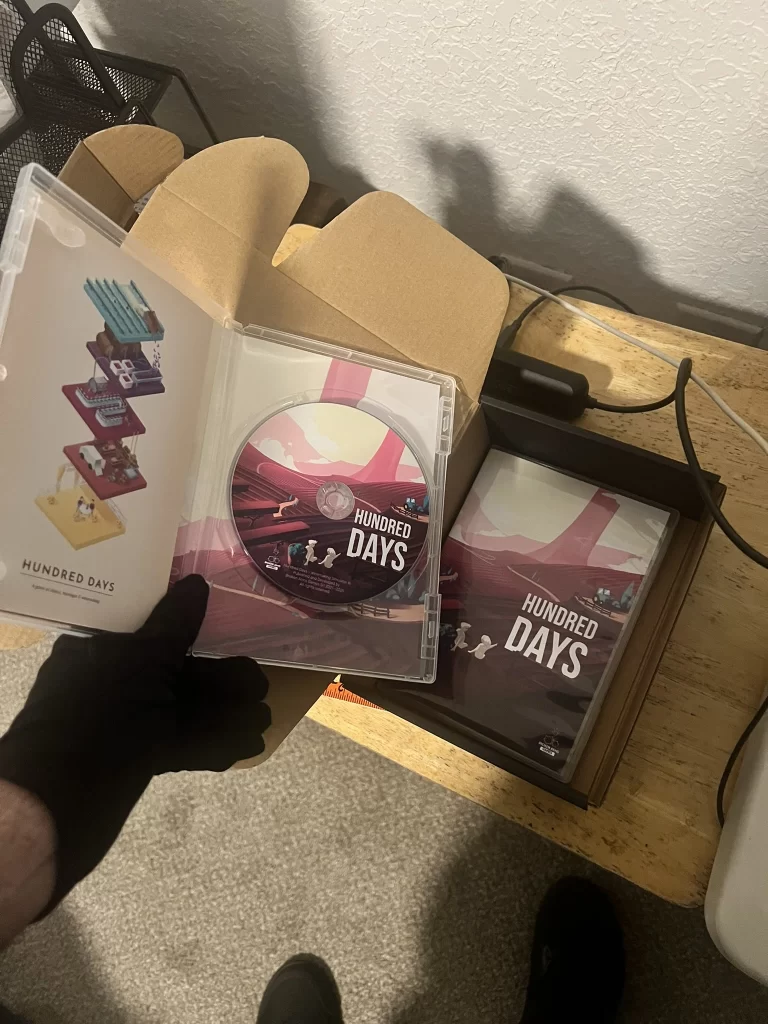
Yes! So currently, an order comes in on my website. I then burn the developer’s game onto a disc, put it in my printer for direct inkjet onto the disc, and place it into the clear game case. Back on my PC, I print out the game cover front and back, the case insert front and back, and the shipping label. I hand-cut the cover and insert, place them into the case along with a plastic sleeve, put it in my black bubble mailer, tape it all up good, slap the shipping label on and take it to the post office. Then I pay the developer’s share!
You have described these as complete, DRM-free games with no download, server, or licence required. That makes this about more than simply having something attractive to put on a shelf. How important is genuine long-term ownership to what you are trying to do?
Genuine long-term ownership is everything, and part of the reason why I have been hesitant to expand into USBs due to their seemingly shorter shelf life. My goal is to expand eventually into MDiscs, which are like Blu-Rays but rated at 1000 years, truly archival. They are expensive, but if someone wants that for their favourite game, why not provide the service!

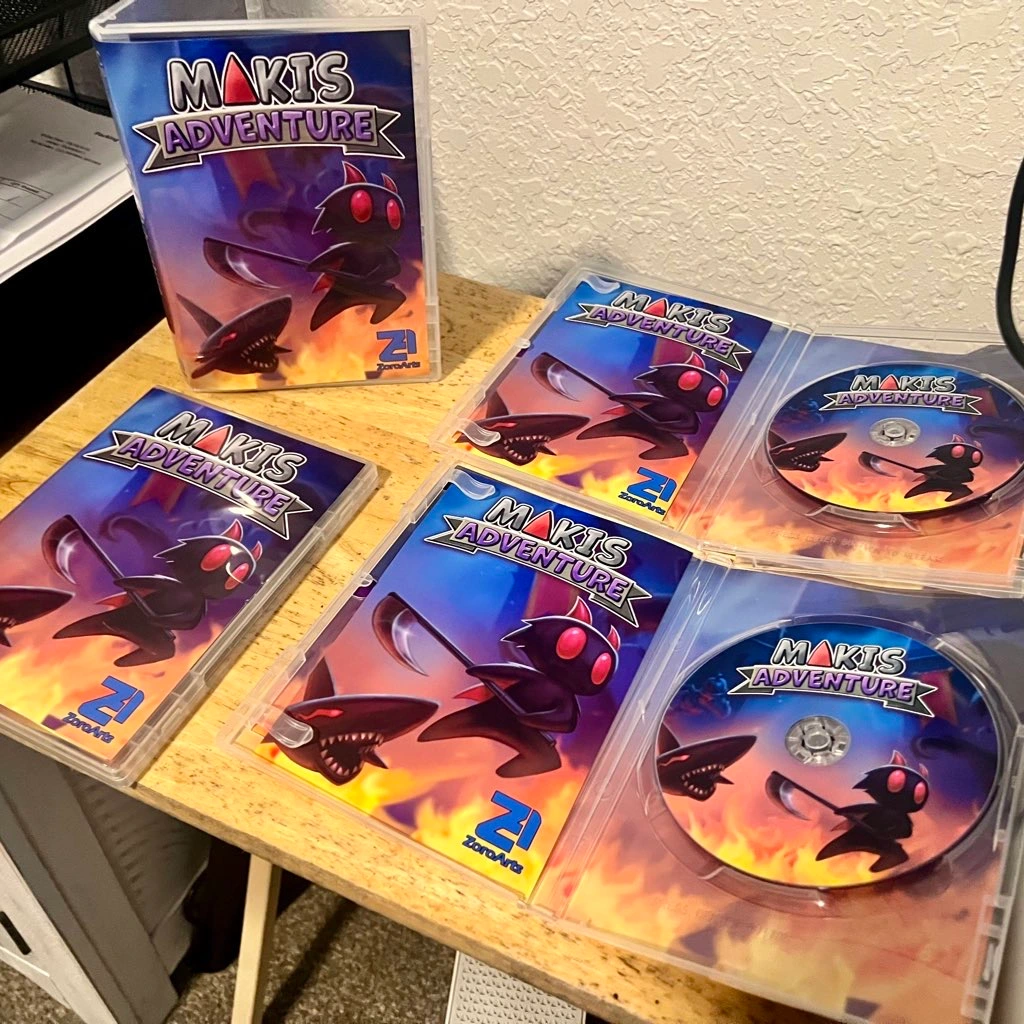
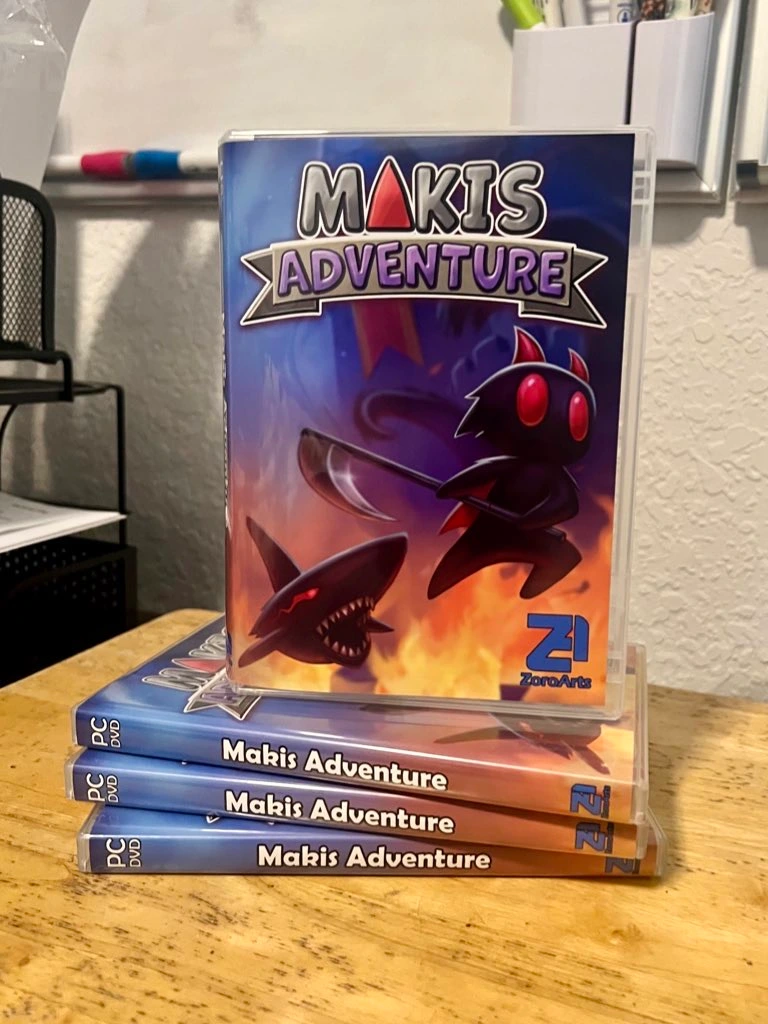
There is also a preservation argument here. We regularly see games delisted, servers closed, licences expire, or older storefronts disappear altogether. Do you see projects like We The Indies as potentially becoming part of the answer to preserving smaller games that might otherwise eventually vanish?
Great question, and yes, definitely. Every game, or any media, deserves to be sold physically specifically so they can stand the test of time without the threat of digital erasing. For example, a retro console release sometimes only has a few hundred games emulated on it, while the actual console potentially has thousands of games released on it that many of us have never heard of!
Alongside We The Indies, I’m working on an R&D project at portthepast.com, making a per-console full-library recompilation engine; that would mean 100% parity and all-games porting from- in my current testing -the Atari 2600 into Portable C at 60 fps. I’m about past half way complete on that console.
We The Indies’ first year produced six titles and 47 discs, with many travelling overseas to Germany, France, Italy and Finland. What did those first 47 orders teach you about who actually wants physical indie PC games, and did the international interest surprise you?
The thing that surprised me the most was the passion people had for We The Indies’ mission and its announcement back in Summer 2025. My first five developers signed on then; when their games went up for sale, the people who bought were all awesome and dedicated gamers and collectors. My first sale ever was from a great guy who supports physical media and We The Indies so much; I am incredibly appreciative of the developers and gamers who have entrusted me with their games. It’s an honour, truly.
What is particularly striking is that your setup can reportedly handle close to 1,000 discs a day, so production capacity is not really the bottleneck. You have said the bigger problem is developers knowing the service exists. How difficult has that awareness challenge been compared with actually building the We The Indies operation?
Operations and future expansion planning fo We The Indies is done, so definitely awareness is the primary bottleneck. Most people who sign up never thought they’d see their game made physically, possibly ever; I love this, though for the company to survive I need larger indies to come in. From them I create runway to advertise, and get the developer volume to sustain a healthy daily sales volume… The more games I have, the more chance of a sale; this interview is a chance to bring more awareness in, so thank you for it!!
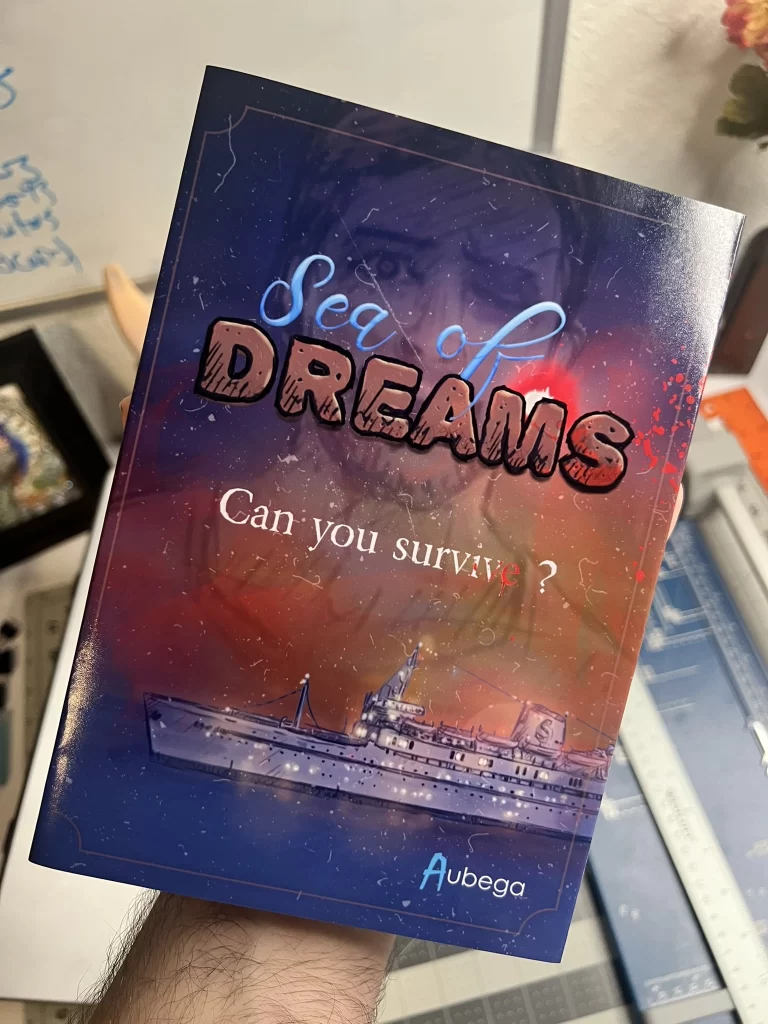
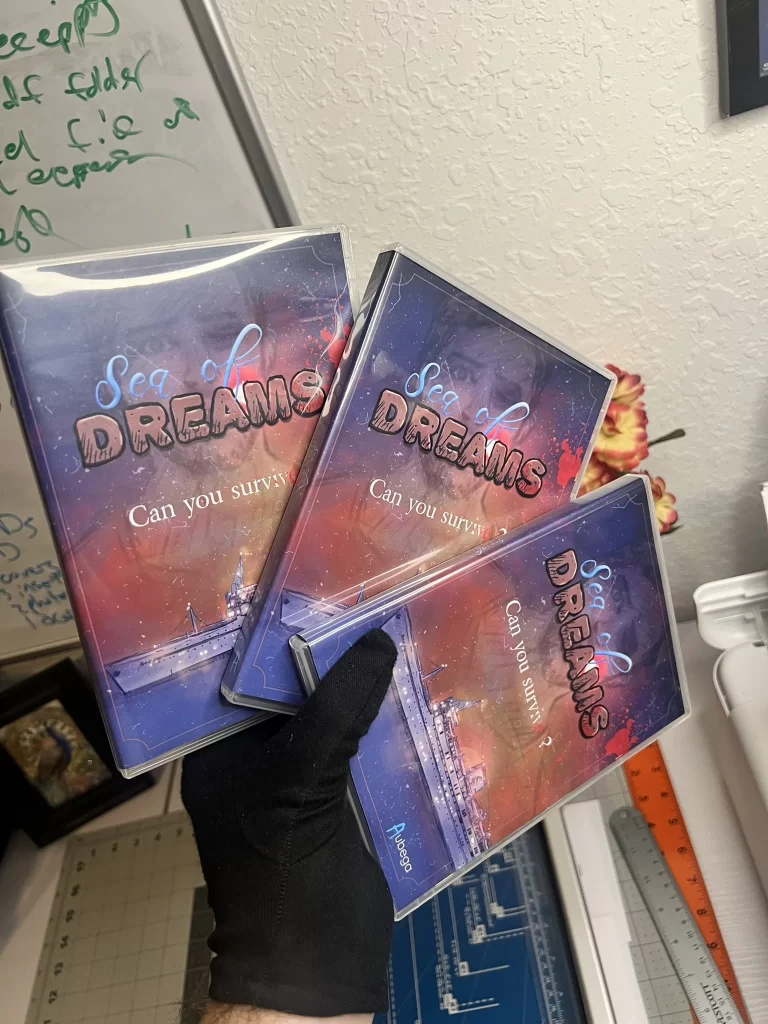
The entire manufacturing setup cost roughly $999, consisting essentially of a printer, disc duplicator and shipping scale. Did you deliberately set out to prove physical publishing could be done without huge infrastructure, or did the simplicity of the operation emerge as you experimented?
A small footprint was planned from the start; the bottleneck was the software and game iso packaging system, never the hardware. What my open source program does cannot be done with standard DVD burning software, so I created that over four months last summer. It was arduous, but it worked, and every game has looked and run beautifully since!
There is an interesting economic argument behind We The Indies too. Developers keep the majority of every sale while you take on manufacturing and international fulfilment without requiring an upfront investment. How did you arrive at a model that could remain worthwhile for both sides?
If you’re not looking to buy the world, business deals don’t have to be so difficult! On-demand ordering is not new; disc duplicators and printers have been around for decades. I don’t yet need an office space, and my software- soon -will help automate a lot of the printing processes to help make production even faster. The age of needing massive factories is over for this stuff. That doesn’t mean physical media has to die; I see it as a means to make it ubiquitous again!
Possibly the most fascinating part of this is Rialto. You built software specifically to turn finished games into menus, installers and discs, and then released it free under an MIT licence. From a traditional business perspective, giving people the tool to bypass your own company sounds completely backwards. Why did you decide to open-source it?
The free market is good. Competition is great. More people making more discs and selling their games physically is good for me, society, gamers, and preservation as a whole. I would never want to stop that.
Does Rialto reveal something bigger about your intentions here? Would you actually consider it a success if developers increasingly started producing their own editions without involving We The Indies at all?
Absolutely!! I hope people do. I plan on releasing my full hardware and startup inventory suggestions in the future soon, too. Build away.
If awareness suddenly stops being the bottleneck and far more developers come knocking, how do you scale something whose appeal partly comes from the fact that one person is genuinely producing these editions by hand? Could We The Indies become much larger without losing what makes it interesting?
I think automation will be the linchpin with this. Just like 3D printers, there are desktop disc printers that do burning and printing in the same run continuously; there are printers that will properly align double-sided art prints so I don’t need to hand-feed each sheet; there are automated, but bigger paper cutters so I can cut a stack of art sheets in one go instead of only two at a time…
We The Indies will always be for the indies. A company changes when it brings in too many cooks for the kitchen; or, needless outside investment to grow fast when it just isn’t needed at all. If your goal, again, isn’t to buy the world but just do good in it by providing a fair service for all, then the mission and values that attracted people to it in the first place should stay true. Hopefully. It’s a great question, and an important one, and I think I am walking the line well so far. It is tight though, so if I mess up I’ll expect the community to correct me haha (and they should!).Finally, imagine we speak again, a few years from now, and We The Indies has worked exactly as you hoped. What does that future look like? Is success thousands of discs leaving your desk, hundreds of developers using Rialto themselves, physical PC games becoming commonplace again, or simply more indie games becoming things their fans can genuinely own forever?
I want indie game developers, filmmakers, musicians, artists, actors, dancers, photographers, writers- anyone with a passion for something that makes them happy enough to wake up every day- to be able to do what they love for their life, not just as a hobby or a fleeting dream. I want people to have that choice of freedom.
The way there is creating, building, and stimulating an indie economy. When volume comes to We The Indies, I’ll be able to lower prices to pay people more, so they have more money to live, get ahead, and continue building their games. If enough comes in, I want to give back profits to help people buy that camera or commission that artist to help make their creation exactly how they envision. These things aren’t hard to do for a business; a business just needs to want to do them for the people it serves. Furthermore, so much of the global business attention is on the top 10% while an entire indie economy is sitting ripe for a renaissance!
A world where Indies are celebrated and provided the resources they deserve for the work and art they create is the one I am striving and building towards. Humanity’s greatest treasure is its art, and we mustn’t ever forget that.

A big thank you to Chandler Kravitz for taking the time to speak with us about We The Indies.
There is something appealingly indie about the whole operation. One person, roughly a thousand dollars of equipment, no warehouse, no enormous print runs, and an idea built around giving smaller developers another option rather than trying to lock them into yet another ecosystem.
Perhaps the most interesting part is that Chandler seemingly does not need We The Indies itself to become the gatekeeper. By making Rialto freely available, the underlying idea can spread even if developers decide they would rather make the discs themselves.
Physical PC games probably are not about to overthrow Steam tomorrow, nor do they need to. But between preservation, collecting, permanent ownership and giving developers another way of reaching the people who care enough about their work to put it on a shelf, there is clearly still an appetite for games existing as more than an entry in a digital library.
And 47 handmade discs travelling from one desk in Florida to bookshelves around the world seems like a pretty good place to start for We The Indies.
Enjoyed this chat about We The Indies and want to see who else we’ve been speaking with in the gaming world? Head on over to our interviews section.