Sony’s move away from physical discs for new PlayStation releases has made one thing very clear: if physical games are going to survive, they are going to survive because smaller companies still believe they matter.
That sounds dramatic, but it is also increasingly true.
Big publishers have spent years nudging players towards digital storefronts, and in plenty of cases, they have not exactly been subtle about it. It is easier for them, more controllable, and much tidier from a business point of view. But while the biggest players in the industry keep drifting towards a future of licences, downloads and platform lock-in, a smaller group of companies is still doing the work of turning games into actual objects you can hold.
And, crucially for us, a lot of them are still doing that for indie games.
So, if you came away from our recent piece on Sony’s digital future wondering who is actually still keeping physical indie games alive, here are five companies still making it happen in 2026.
Who is keeping physical indie games alive?
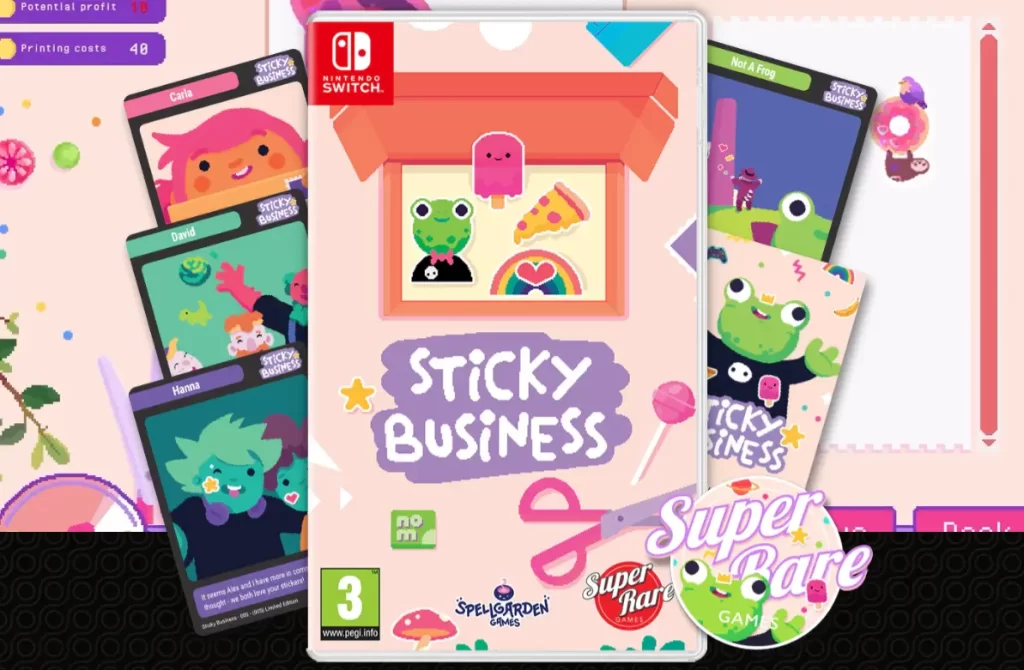
Super Rare Games
If there is one company that feels like it really understands the emotional side of physical indie publishing, it is Super Rare Games.
They have built a lot of their identity around helping indie developers get that “my game exists in a box” moment, and that matters more than it might sound on paper. For smaller teams, a physical edition is not just another product format. It is often a kind of milestone. Proof that the game has carved out enough love, enough audience, and enough belief to become something tangible.
That is part of what makes Super Rare Games so easy to root for. They are not just chucking out mass-market plastic for the sake of it. They are supporting indie developers and collectors at the same time, and that gives their catalogue a sense of care. In a world where physical gaming can increasingly feel niche, they have made niche feel special rather than sad.
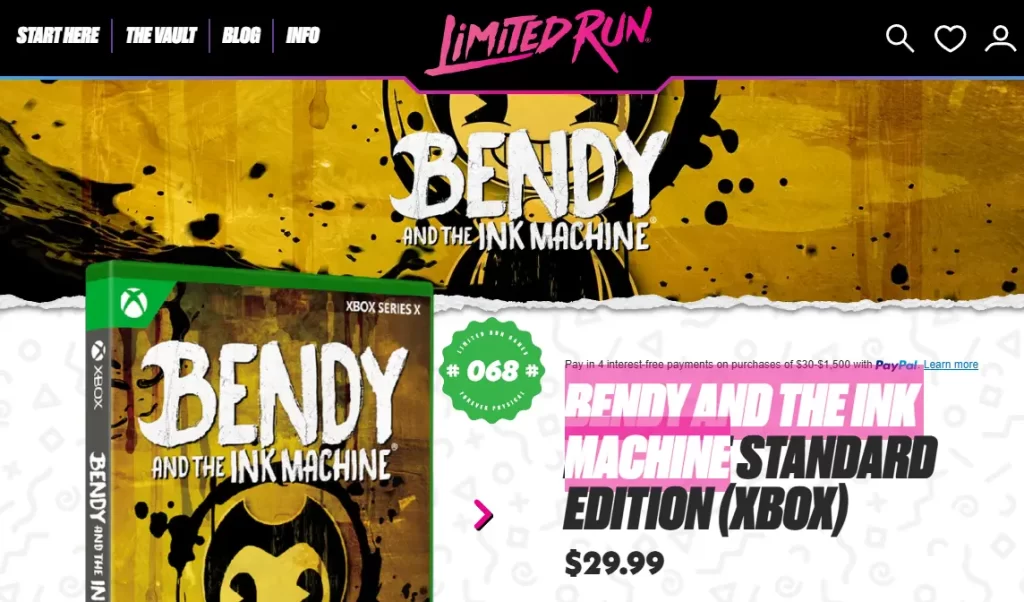
Limited Run Games
Limited Run Games is probably the biggest name most people will recognise in this whole space, and with good reason.
They have been at this for years, and while they cover far more than just indie games, they have also done plenty to keep smaller and more unusual titles alive in physical form. At this point, they feel less like a one-off novelty and more like a core part of the physical preservation conversation, even if that whole side of gaming can sometimes feel like it is being held together by collector goodwill and sheer stubbornness.
What makes Limited Run matter is scale. They have the visibility, the reach, and the reputation to keep physical editions in the public eye in a way smaller boutique outfits sometimes struggle to. They are not just serving one tiny corner of the hobby anymore. They are one of the clearest examples that there is still a real appetite for games that exist beyond a storefront page.
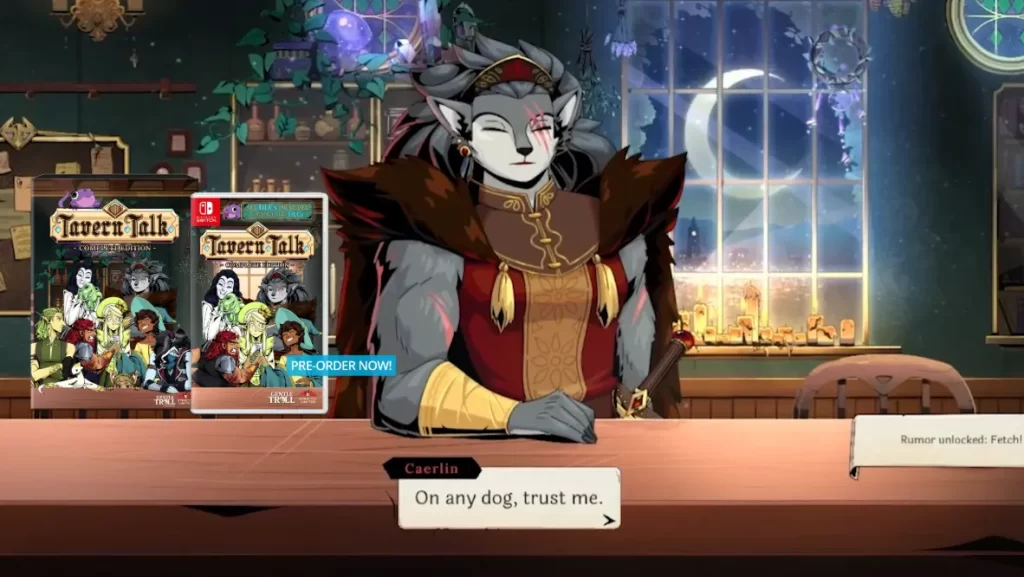
Strictly Limited Games
Strictly Limited Games leans more openly into the preservation angle, and honestly, that gives it a very clear identity.
A lot of companies in this space talk about collectability, which is fair enough, because there is obviously a collector audience keeping this whole side of the market afloat. But Strictly Limited also talks in a much more direct way about games deserving to be more than digital files, and that is a message that lands a bit harder now than it might have a few years ago.
That matters for indie games especially. Smaller releases are often the ones most at risk of being swallowed by digital storefront clutter once the initial launch attention fades. Physical editions help push back against that, even if only in a modest way. They give games a second life, or at the very least a different kind of life, one that feels less temporary and less dependent on the platform deciding it still cares.
Red Art Games
Red Art Games is an interesting one because it shows how varied this whole physical publishing lane has become.
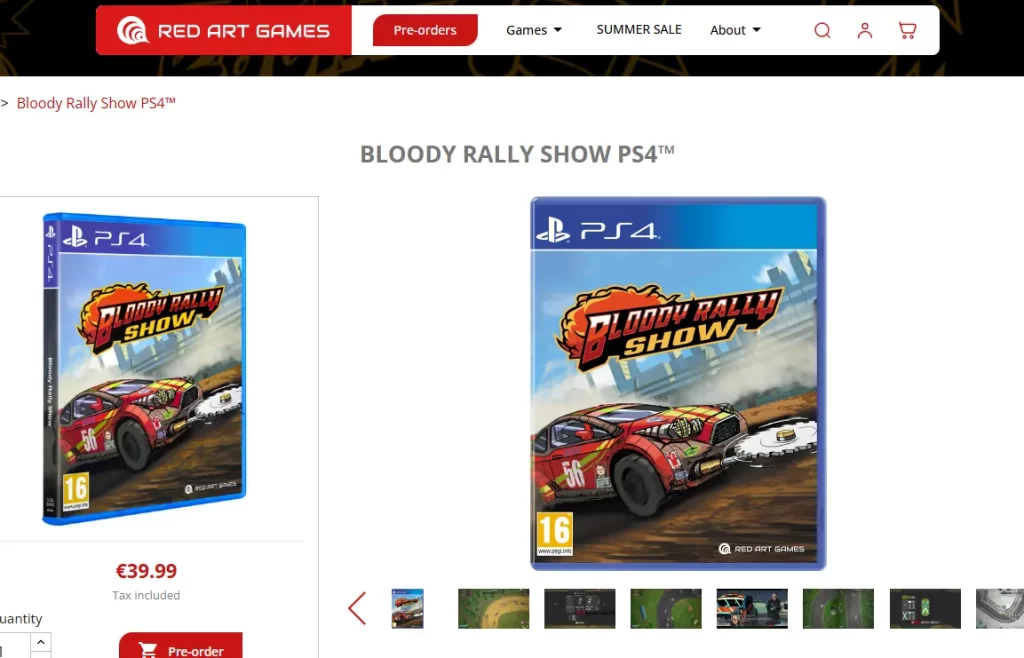
Rather than just sticking to one style of release, Red Art has built out a range of limited, deluxe and collector-focused editions, alongside lines like RAG Indies. That gives it a slightly broader feel than some boutique publishers, but still one that clearly understands the collector mindset and the appeal of giving smaller or more unusual games a physical presence.
What I like about Red Art Games is that it feels practical as well as passionate. It does not come across like it is simply romanticising physical media. It is actively packaging, releasing and selling games in formats that different kinds of players might actually want, whether that is a straightforward copy for the shelf or something more elaborate for the people who want the full bells-and-whistles treatment, like their standard and deluxe versions of Psyvariar 3.
iam8bit
iam8bit sits in a slightly different place to some of the others here, but it still absolutely belongs in this conversation.
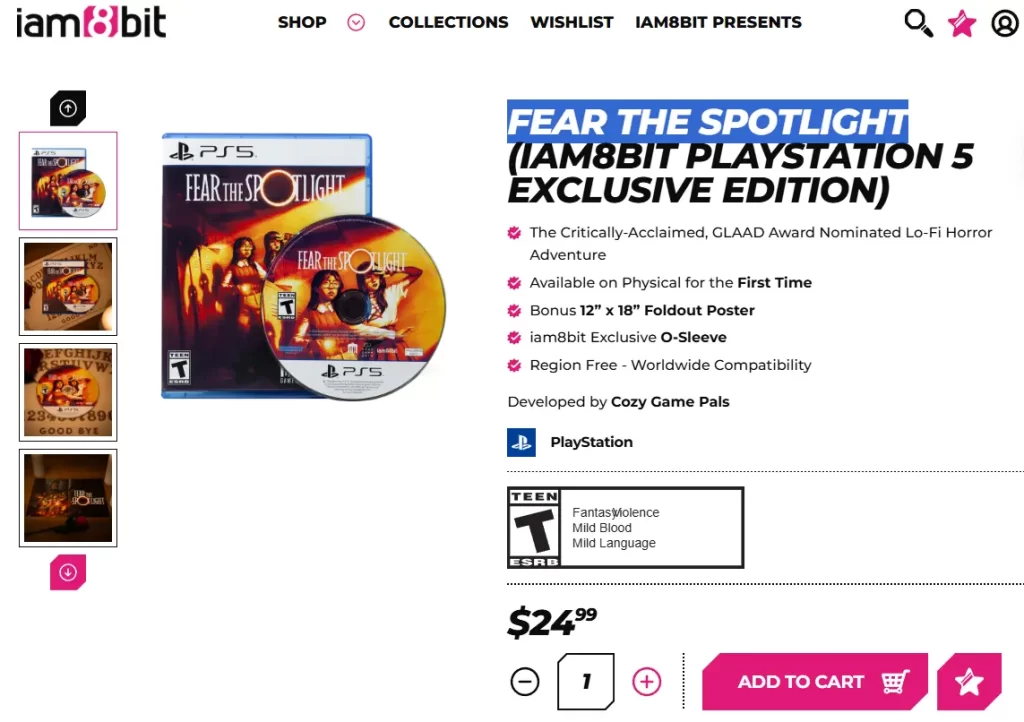
It has a broader identity built around games, art, records and collector culture, but that is exactly why it matters. iam8bit understands that physical editions are not just about preservation in the strict sense. They are also about presentation, celebration and making a game feel like an event. When a release lands through iam8bit, it often feels like someone has actually thought about why this object should exist, not just how quickly it can be manufactured.
That is particularly useful for indie games, because presentation can be part of how a title cuts through. A good physical edition says the game deserves space, attention and a bit of ceremony. For smaller releases, that can be huge.
Why these companies matter more now
The bigger story here is not just that these five companies are still active.
It is that they are increasingly carrying a responsibility that larger parts of the industry seem happy to drop. If major platform holders and major publishers are moving steadily towards a fully digital future, then physical gaming culture is not going to survive by accident. It is going to survive because specialist companies, smaller publishers, collectors and players keep choosing to make room for it.
And for indie games, that really matters.
Because indie games already fight hard enough for visibility. They already live and die on wishlists, storefront placement, algorithm luck and whether anyone bothers to click on them in the first place. A physical edition gives a game another way to exist. Another way to be seen. Another way to matter.
That does not mean every indie game needs a boxed release, or that digital is somehow evil by default. It just means there is still value in games being more than files attached to an account.
Physical is smaller now, but it is not dead
That is probably the most important thing to take away from all of this.
Physical indie games are not gone. They are just living in a different ecosystem now. Smaller runs. Specialist publishers. More direct-to-fan sales. More collector energy. Less high-street visibility. Less corporate certainty. In a strange way, physical games have become more indie themselves.
And maybe that is not entirely a bad thing.
Because while the big end of the industry keeps chasing frictionless convenience, these companies are still proving there is a real audience for games as things. Things to collect, preserve, display, lend, unbox, and actually own.
And if you are an indie developer or publisher putting out physical editions of your game, give us a shout. We would love to get them in, unbox them, and show them off properly on our YouTube channel. If physical indie games are going to stay alive, they deserve to be seen.
For more listicles like this one, head on over to the lists section under the features tab of the menu.