
I’ll be honest, when it comes to gaming, “Indie” has felt like a bit of a dirty word. Or, rather, it’s always felt like a detrimental term towards games that has ultimately put off playing some of them.
This is insane, I know. Indie games are literally some of the most creative, fun and engaging games that there are currently. Not tied to massive investments and publishers expecting to see a return for their shareholders.
Having said that, the term “Indie” very rarely conjures up the mental image of what the industry considers the top-tier, glossy, massive Triple-A games. AAA is a term that’s kind of thrown around to those massive developers and publishers, delivering the Final Fantasies and Call of Duties of the world. But actually, Indie and AAA aren’t mutually exclusive.
There are some great examples, which we’ll come to. But also, we probably need to properly define AAA to understand how anyone can deliver that level of experience, independent or not.
The financial scale of AAA
In the world of game development, the AAA label is primarily a financial designation. These projects are funded by massive publishers like Sony, Microsoft, Nintendo, EA, or Ubisoft. A typical AAA title today often requires a budget exceeding $100 million just for development, with an equal or greater amount frequently spent on global marketing campaigns.
This immense financial risk means these games are designed to appeal to the widest possible audience to ensure the publisher recoups their investment.
Whilst often successful, some games just lack the charm and appeal you get from an Indie studio. Not always, for sure. But with that much money on the line, playing it safe is more normal.
Production and workforce
Beyond the money, AAA is defined by the human capital involved.
While an indie game might be the vision of a single person or a dozen friends, a AAA game is a corporate undertaking involving hundreds or even thousands of specialists. These teams are spread across multiple continents, with individual studios dedicated to specific tasks like environment art, netcode, or cinematics.
This massive workforce allows for “high production value”, which translates to photorealistic graphics, complex physics engines, and performances by professional actors using high-end motion capture technology
Distinguishing between tiers
When you move away from the AAA space, the industry branches into different levels of independence and funding.
AA (Double-A) games occupy the middle ground; they are developed by professional studios with respectable budgets but lack the massive marketing machines or the extreme technical polish of their larger counterparts.
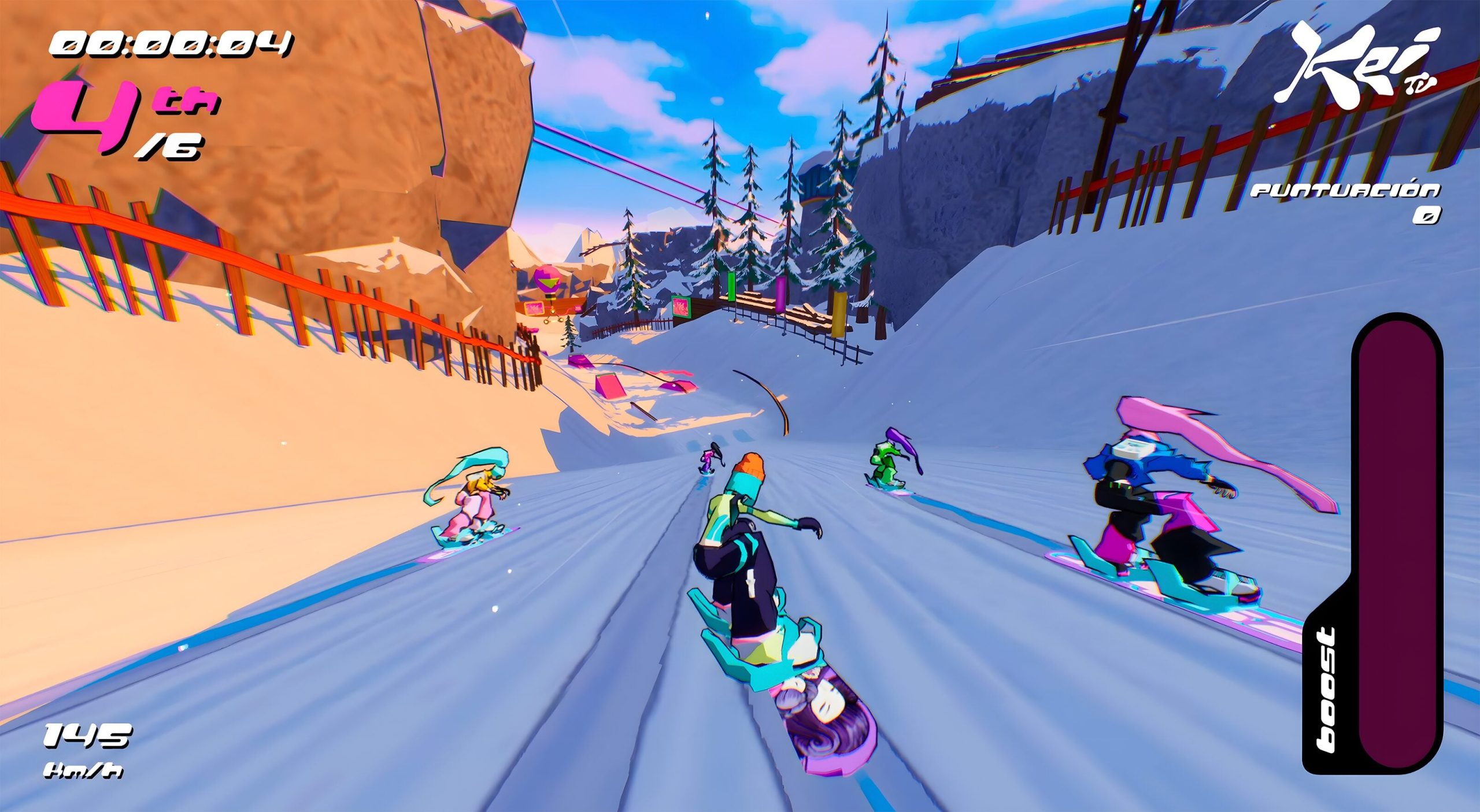
On the other end of the spectrum are Indie games, which are produced by small, independent teams with limited financial backing, often prioritising unique art styles and innovative mechanics over raw graphical power.
A newer hybrid category known as “Triple-I” has also emerged, representing independent games that have secured enough funding to reach a level of polish that rivals the major publishers.
The distinction between cost and quality
It is important to remember that AAA is a description of a game’s “class” rather than a review of its merit. Because these games are so expensive to produce, they often stick to proven formulas or established franchises to minimise risk, which can lead to a sense of “sameness” in the market.
Conversely, the term is often used as a shield by publishers to justify a premium price tag.
Ultimately, while the AAA label promises a certain level of technical spectacle and professional craft, it does not inherently mean the game will be more enjoyable than a title made by a three-person team in a garage.

We love Indie
The whole purpose of Indie-cent Exposure is to shed light on those teams working in basements and garages. Solo-building worlds we’re yet to visit. Some of the best games in the world right now are from small teams with small budgets.
Look at Mewgenics and Balatro. Crikey, look at the success and delivery of Clair Obscur: Expedition 33.
It’s hard to definitely grasp what “should” be considered Indie when there are so many variables to consider. But ultimately, the smaller the team and budget, the more we want to showcase their product.
Of course, this goes beyond gaming, and if you were to look at foods/farm stores, etc. A lot of these things would already be considered artisanal and actually have a higher perceived value because they’re not mass-produced.
The world of independence is a tricky one to navigate, but we’re doing our best to make sure the Indie’s pop and the AAA gloss isn’t given all of the spotlight all of the time.
For even more opinion pieces like this one, click right here.