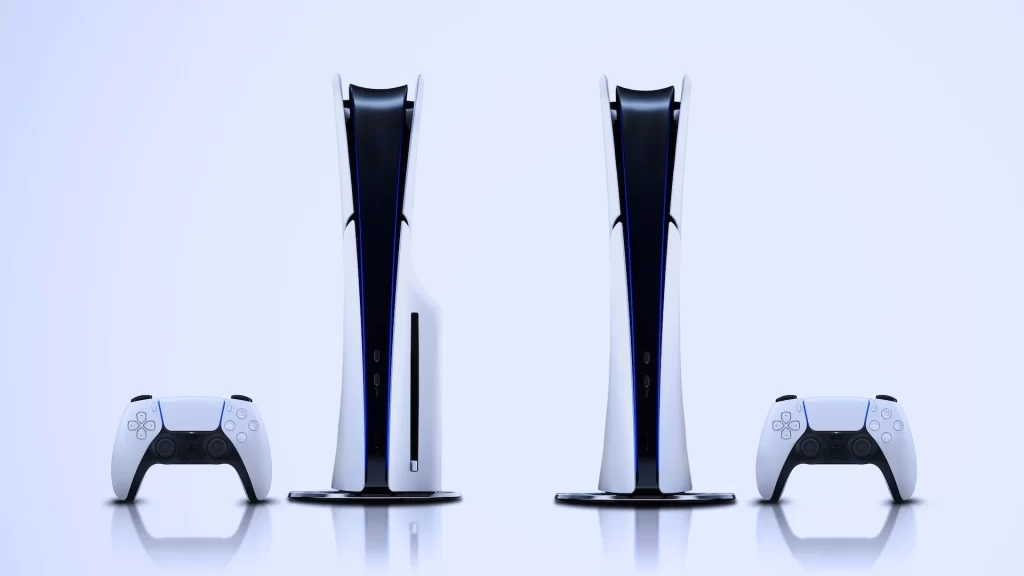
Sony has not officially unveiled a digital-only PlayStation 6.
But it has done something big enough to make that conversation feel a lot less hypothetical.
From January 2028, new PlayStation games will no longer be produced on physical discs. That does not affect games already out, or ones still due before then, but it is still a huge shift. Not just because it changes how people buy games, but because it says a lot about where Sony thinks the whole business is heading.
And if you care about indie games, physical collecting, smaller retailers, or simply the idea of actually owning the things you pay for, it is the kind of change that deserves more than a shrug.
Digital was already winning, but Sony’s move makes it official
None of this has come completely out of nowhere.
Digital downloads have been swallowing more and more of the market for years. It is convenient, instant, and much easier for platform holders to control. No discs to press. No boxes to print. No retailers to cut in. No awkward second-hand market undercutting new sales a week later.
From Sony’s point of view, it makes perfect sense.
From a player’s point of view, it is a bit more complicated.
Because while digital is easier, it is also much less tangible. You are not walking out of a shop with something in your hands. You are not building a shelf full of games you can lend, trade in, or keep long after a storefront changes its mind. You are buying access, and trusting the platform to keep that access tidy and available.
That is fine right up until it stops feeling fine.
What Sony’s statement means for indie developers
For indie developers, there are two sides to the news from Sony.
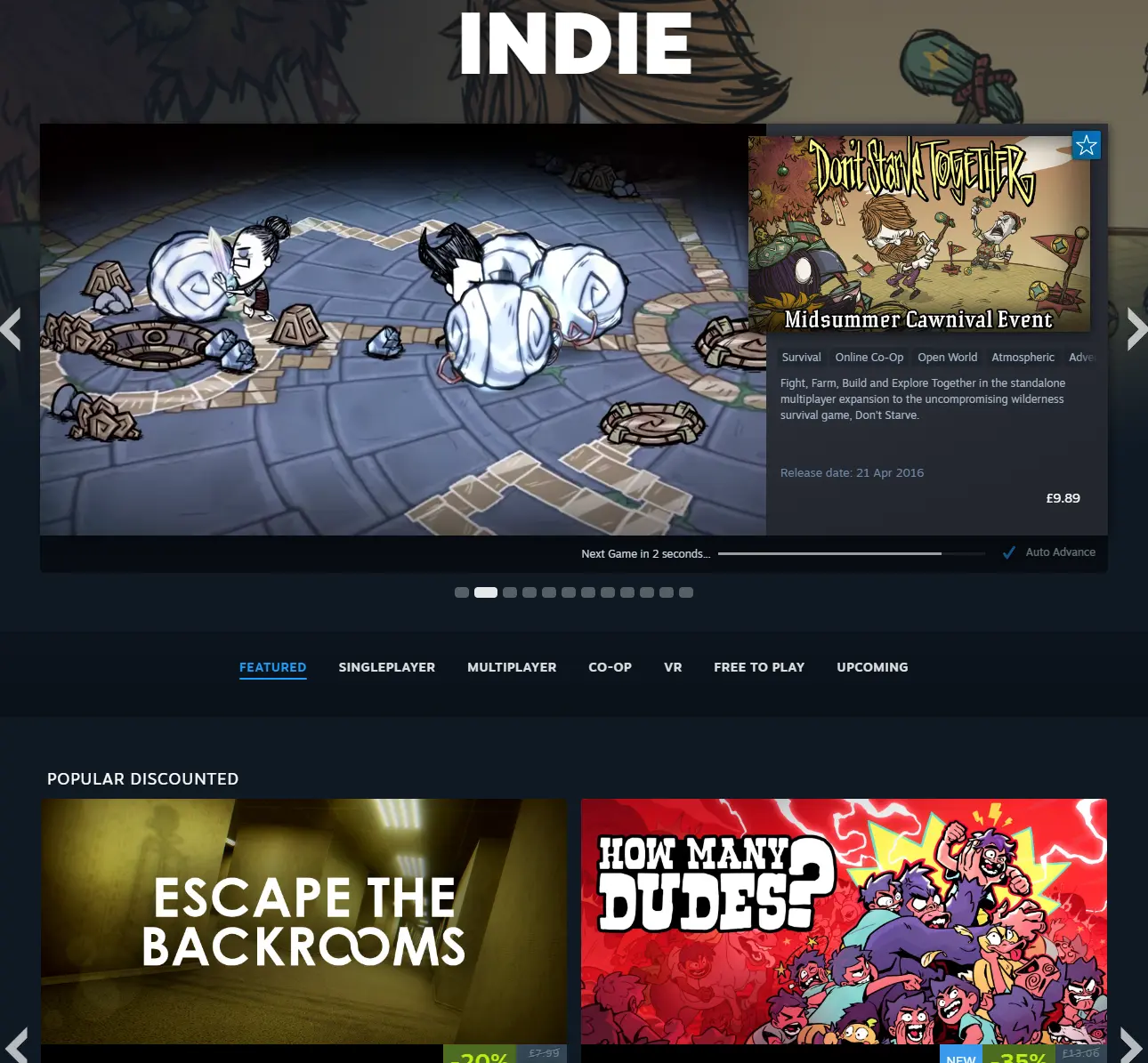
On one hand, a digital-only future does not radically change the reality many smaller teams were already living in. Loads of indie games never had mainstream physical releases in the first place. Manufacturing discs, printing sleeves, sorting logistics, and trying to get boxed copies into retail was never especially cheap or easy. For a lot of smaller developers, digital storefronts were already the only realistic route.
So in that sense, Sony is partly just formalising what has already been true for years.
But there is another side to it, and it matters.
Physical editions have become one of the ways indie games prove they mattered. Not in some snobbish or elitist way, but in the simple sense that turning a game into an object still means something. A box on a shelf. A cartridge or disc you can hold. A collector’s edition someone cared enough to make. Those things are not just extras. For plenty of indie fans, they are part of the bond between the game and the audience.
When the platform itself moves away from that, it narrows one of the more human, more lasting ways smaller games have been able to live beyond a storefront page.
Indies do still get physical releases, and that matters
This is where the situation gets more interesting than a simple “physical is dead” headline.
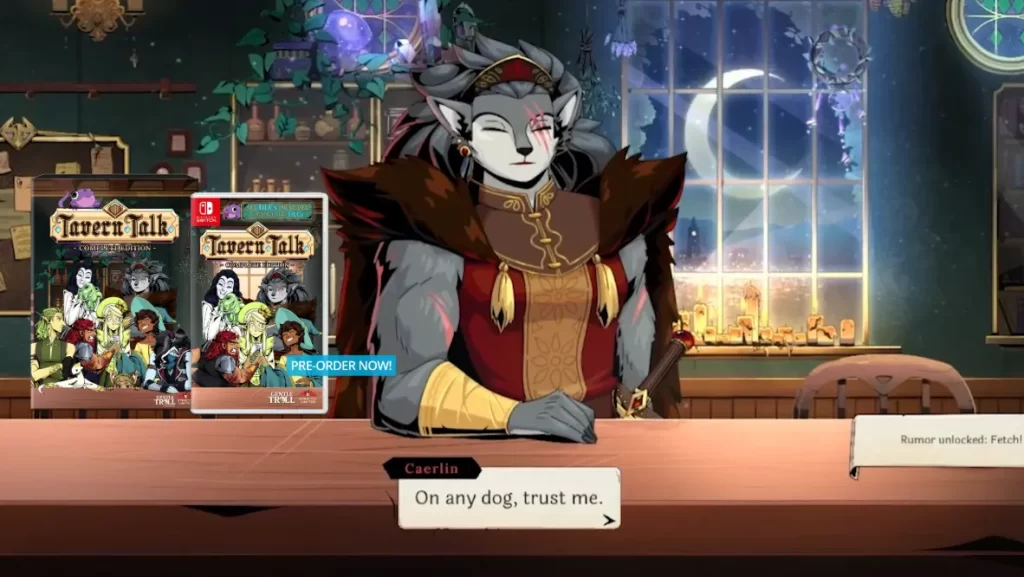
Because indie games do still get physical editions. Quite a few of them, actually. Just not in the old mass-retail way.
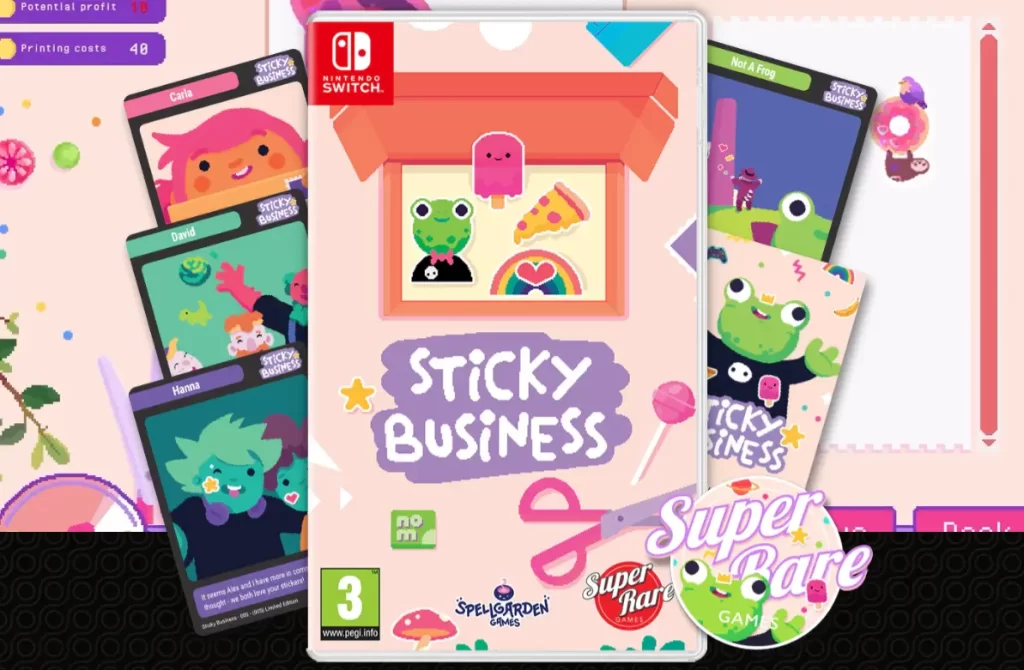
These days, physical indie publishing often happens through specialist outfits like Super Rare Games or Strictly Limited Games. Smaller runs. Direct-to-consumer sales. A stronger collector culture. A bit less “grab it off the shelf in town” and a bit more “this exists because enough people care”.
In a weird way, physical games have gone a bit indie themselves.
Less mainstream. More niche. More community-driven. More dependent on actual enthusiasm than corporate certainty.
And that is part of why Sony’s move feels important. Not because it instantly kills physical games everywhere, but because it makes one of the biggest console ecosystems less friendly to that whole side of the culture going forward.
What it means for players
For players, the obvious trade-offs of Sony’s decision are practical.
No lending games to a mate (a big part of their marketing for the PS4 if you remember). No trading them in when you are done. No picking up a cheap pre-owned copy a few months later. No rescuing something from a bargain bin because you fancied taking a chance on it.
There is also the issue of storage, because a digital-only future sounds lovely until you realise modern games are not exactly shy about swallowing space. Buying a game digitally is easy. Keeping a whole library installed without spending more money on storage is often less so.
Then there is the less practical side, which is still important.
Physical games felt like ownership in a way digital libraries never quite do. A shelf full of cases is not just clutter to a lot of people. It is memory. It is proof you were there for it. It is the joy of stumbling across a game years later and remembering exactly why you bought it in the first place. That side of gaming culture gets treated like nostalgia too often, when really it is part of what made games feel personal.
A digital-only future is convenient, yes.
It is also a bit more sterile.
The preservation problem does not go away
This is where the conversation around Sony’s news gets thornier.
Sony has not said your existing physical library is suddenly useless. Quite the opposite. Games already released, or planned before the cut-off, are not affected. But that still leaves a longer-term question hanging over everything.
If fewer new PlayStation games exist in physical form, then fewer games exist in a format that can sit outside the platform’s direct control.
That matters for preservation. It matters for collectors. It matters for the long tail of smaller releases that may not always get remasters, reissues, or a second big push from the storefront algorithm five years down the line. And it matters especially for indie games, because smaller projects are often the most vulnerable to simply vanishing into digital clutter once the spotlight moves on.
You do not need to go full apocalypse mode to admit that physical media still played a useful role here.
Even if it was never a perfect answer, it was at least an answer.
The old game shop feeling takes another hit
There is also a wider cultural knock-on here following Sony’s decision.
Physical disappearing does not just change how games are sold. It changes where gaming culture lives.
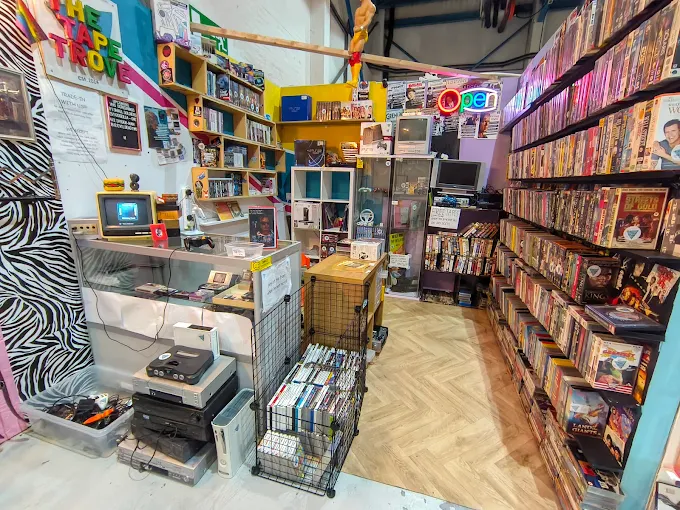
Fewer boxed games means less reason for them to exist in game shops. Less reason for people to browse. Less reason for smaller retailers and collector stalls to keep carving out space for them. Less visible presence for games as things you discover out in the world rather than only through a storefront search bar and a recommendation algorithm.
That hits indies too.
A lot of smaller games already struggle for visibility. Physical releases, collector editions, convention stalls, retro shops, and specialist retailers all help give them a second life outside the digital flood. A more digital-only future makes that harder, not easier.
And that feels especially ironic at a time when indie games are often the ones doing the most interesting work.
So where does this leave us?
Probably somewhere a bit awkward.
For some players, this will change almost nothing. They already buy everything digitally. They do not care about boxes, shelves, trade-ins, or collector culture. They just want to download a game and get on with it, which is fair enough.
But for indie developers, physical publishers, collectors, smaller retailers, and anyone who still likes games feeling like things rather than licences, it is still a significant shift.
Maybe this was always where the industry was heading.
Maybe Sony has simply said the quiet part out loud a bit earlier than some people expected.
But even if the move makes business sense for Sony, it still feels like the end of something tangible. And for a medium that already struggles enough with preservation, ownership, and long-term access, losing more physical ground does not exactly feel like a harmless little tweak.
It feels like another step towards a future where games are easier to buy, but harder to truly hold onto.
And honestly, that is worth paying attention to.
Want to see some more of our content taking a detailed look into topics discussed in the gaming world? Check out our deep dives section.