Nothing tests communication quite like playing games with your partner.
Once Before Us requires two players. There is no solo mode, no helpful AI companion, and no way of quietly solving everything yourself while pretending your partner contributed. You actually have to communicate, so naturally, I recruited the Mrs.
This was always going to end well.
Once Before Us is built entirely around two people seeing different things, interacting with different parts of the environment, and somehow combining whatever information they have without descending into an argument about who clearly explained what five minutes ago. For us, the sarcastic comments about how I make games “so fun to play” arrived fairly quickly, which was probably inevitable.
The first proper puzzle gave us a good indication of what was coming. We struggled badly, restarted, swapped sides, and suddenly flew through it. Now, I am not saying this was because the Mrs could not listen properly and match the tune being played on a piano, but she couldn’t.
Then came another puzzle where I needed a code from something upstairs while I was stuck downstairs. She insisted there was nothing useful around her. After about twenty minutes, nature called, snacks were requested, and we swapped screens briefly to see whether either of us had missed something obvious. Within about two minutes, I spotted an entire wall of flowers arranged to spell out the letters I needed.
Not saying I am the brains and she is the beauty in this relationship. But if that is your takeaway from this Once Before Us review, who am I to argue?
The puzzles genuinely require two people
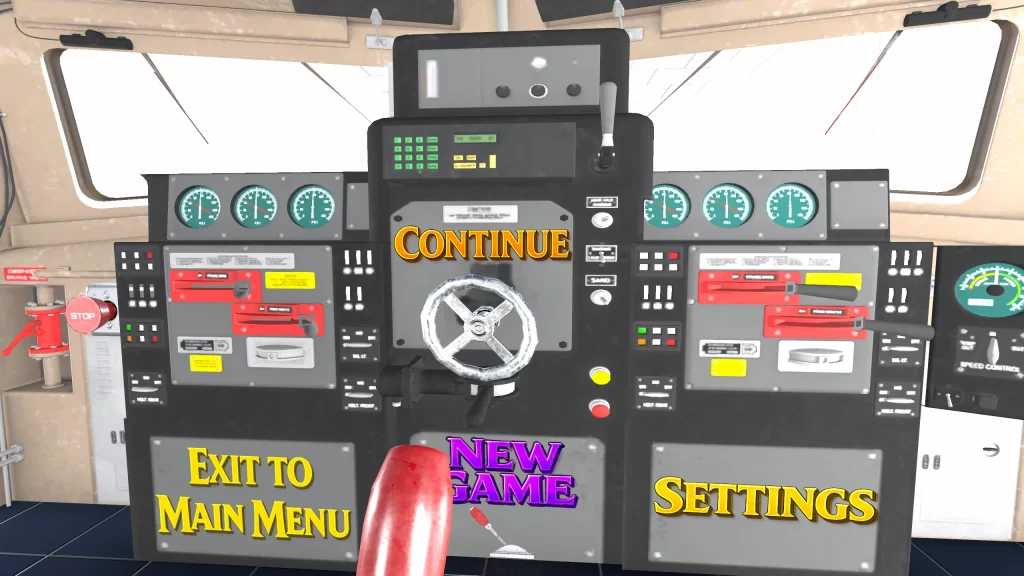
Those moments are exactly where Once Before Us works best. This is not one of those co-op games where one person can effectively carry the whole thing while the second player tags along and presses the occasional button. Both sides matter, because one player will often have the information the other needs.
You might be describing symbols, working out sequences, coordinating physical actions, or trying to explain something that seems painfully obvious from your side of the screen. That dependency gives solving things a real sense of satisfaction, because when a puzzle finally clicks, it genuinely feels like something you worked through together rather than just following a glowing objective marker.
The best sections made us stop, compare what we could both see, and properly talk through the problem. Yes, sometimes that also meant accusing each other of being blind, but that is basically teamwork anyway.
I also liked that some of the puzzles were willing to make us struggle. There is something satisfying about being stuck for a while, trying different approaches, and eventually getting that little rush when the answer finally makes sense. During our time with Once Before Us, though, some updates also made certain puzzles easier, and I am not convinced that was necessary.
Different difficulty settings might have been a better solution. Give people a more guided mode if they want one, but leave the harder version intact for stubborn idiots like us who would rather spend half an hour arguing over vegetables than accept help.
Sometimes we weren’t stuck because we were stupid
There is, however, a big difference between being stuck on a difficult puzzle and being stuck because the game has broken. Unfortunately, we experienced both.
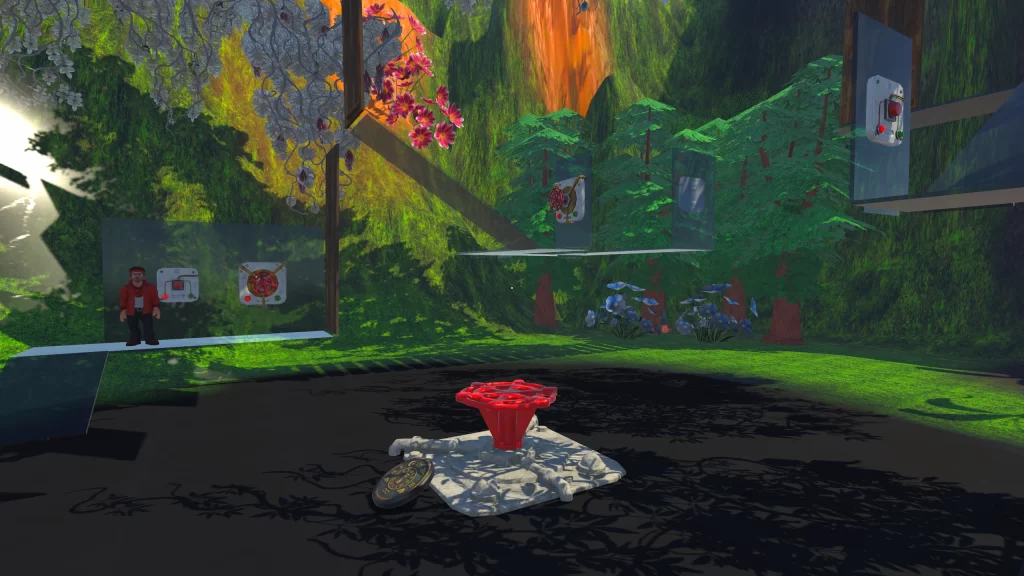
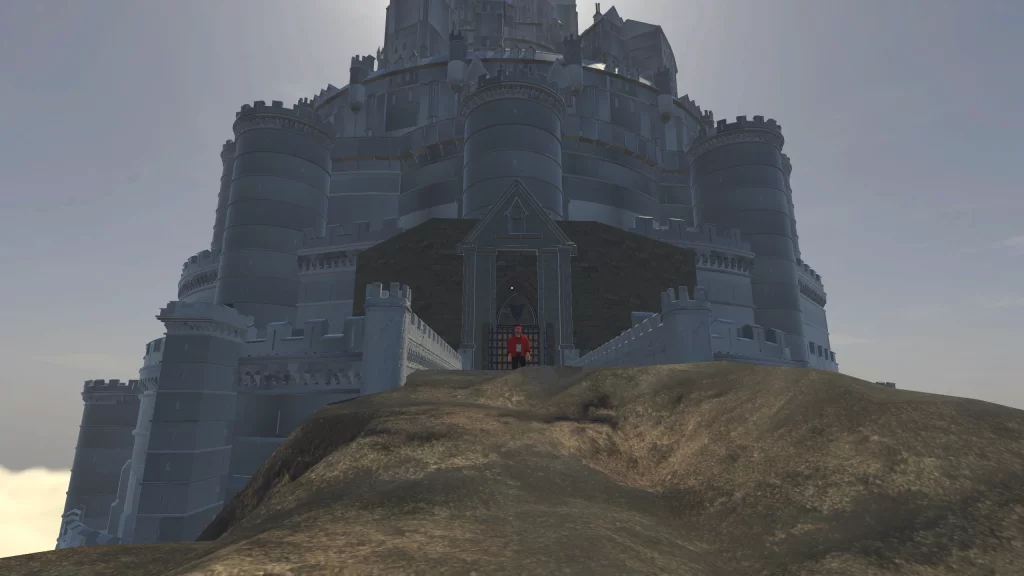
One puzzle involved weighing vegetables from a garden, but somehow we were able to collect the totem reward without actually solving what we were supposed to solve. Later, a platform simply refused to work, and then when we reached the castle, we found ourselves unable to progress again.
The real frustration was not simply hitting a bug. It was spending around half an hour trying absolutely everything because we assumed we were missing something. In a puzzle game, when something does not work, your first thought is naturally that there is another clue, another mechanic, or another angle you have not considered yet.
So you inspect everything again. Try different combinations. Retrace your steps. Question your intelligence. Question your partner’s intelligence. Then eventually realise neither of you is the problem.
The game is.
That hurts puzzle games more than most genres because once players stop trusting that a puzzle actually works, every difficult section comes with that little nagging doubt. Are we stuck because we have missed something, or has the game fallen over again?
Credit where it is due, Palindrome Games responded quickly
This is also where I have to give Palindrome Games credit. We reported the problems we faced with Once Before Us, and fixes came quickly enough for us to continue. Bugs happen, especially with smaller independent projects, and a co-op puzzle game must be awkward to test when two people are interacting with different systems at the same time.
That does not erase the problems we encountered, especially when some completely blocked progression, but the response was good. More importantly, we actually wanted to continue once the fixes arrived. Had we not been enjoying Once Before Us underneath those issues, a couple of broken puzzles would have been the perfect excuse to call it a night.
Instead, once everything worked again, we were straight back in.
The story does enough, but could explain much more
There is a narrative running through everything too, with a mysterious narrator guiding both players through the journey. There is clearly something larger unfolding behind the places you visit, but I often felt like those locations needed more context.
You arrive somewhere new, begin solving puzzles, and then move onwards, but I frequently wanted to know more. Where exactly are we? Why are we here? What happened in this place? How does this area connect to the last one?
The beginning gives you something to latch onto, and the ending brings things back into focus, but the middle could have done more to make each location feel meaningful. The puzzles are strong enough to carry most of the experience, yet a bit more environmental storytelling or narration would have made the journey itself much more memorable.
It is not exactly pushing your graphics card
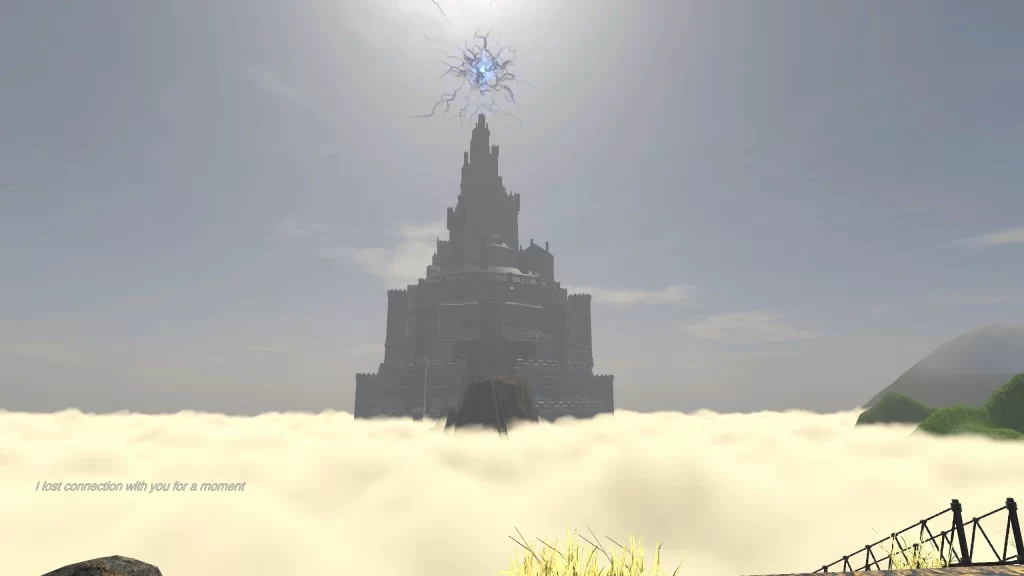
Visually, Once Before Us is fairly basic. That did not bother me much, because this is a puzzle game, and I would rather the mechanisms work well than have every rock rendered with sixteen billion polygons.
Still, there is room for more polish. Environments can feel quite simple, textures are nothing spectacular, and you are unlikely to stop playing just to admire the scenery. There are some nice touches, though, particularly where the environment affects the gameplay.
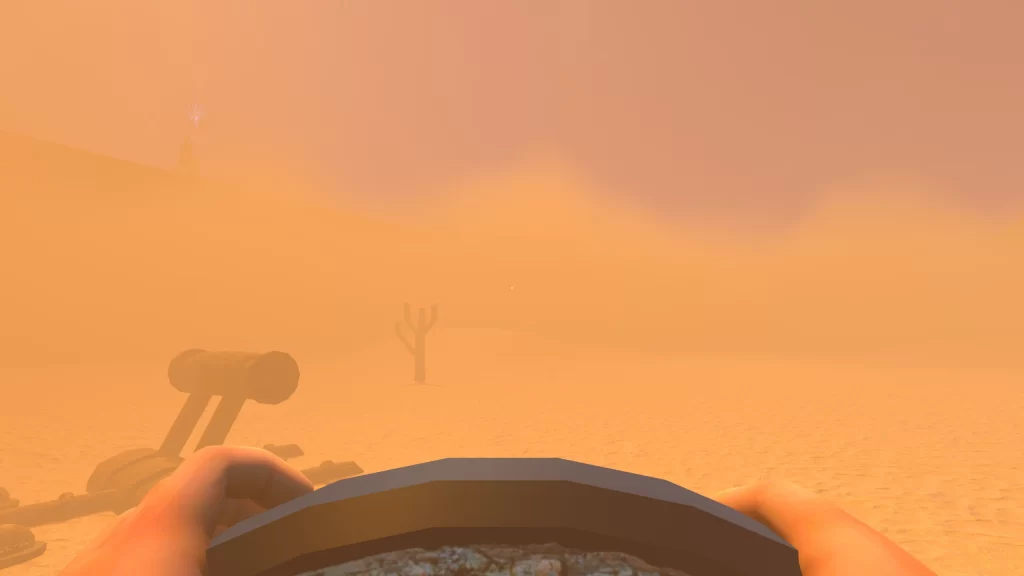
A sandstorm in one area genuinely restricts your visibility, while fog across a bridge does something similar. Those moments make communication and navigation harder in a useful way, rather than simply existing to look pretty. More of that would have been welcome.
About the AI use
Palindrome Games is also upfront about using generative AI for some of Once Before Us’ background music and minor visual elements. According to the developer disclosure, the writing, puzzle design, level design and programming were all created by the small human development team over roughly two and a half years.
I appreciate the transparency. People will draw their own lines when it comes to generative AI, and that is fair enough, but for me, the important part here is that the actual design at the heart of Once Before Us, the puzzles we spent hours solving, arguing about, and occasionally blaming each other for, came from the developers themselves.
And that puzzle design is ultimately what I enjoyed most.
Final thoughts on Once Before Us
Once Before Us is rough in places, and sometimes literally broken. We hit multiple issues that stopped us progressing, spent far too long trying to solve puzzles that could not actually be solved at the time, and occasionally found ourselves wondering whether we were idiots or whether Once Before Us had simply fallen over again.
The presentation could use more polish too, and I would have liked considerably more story around the places we were exploring. But despite all of that, we thoroughly enjoyed ourselves, and that says quite a lot.
The puzzles force genuine cooperation rather than simply allowing two people to occupy the same game. Communication matters, observation matters, and sometimes simply swapping perspectives completely changes how you see a problem. If Palindrome Games can continue smoothing out the technical problems without sanding down the challenge of the puzzles themselves, there is a really enjoyable co-op adventure here.
For anyone who loves solving riddles with a friend, partner or family member, it is absolutely worth giving a go.
Just perhaps avoid playing it immediately before couples counselling.
Once Before Us is a bit rough with the lights on.
Once Before Us is developed and published by Palindrome Games. It was released on Steam on September 15th, 2026. Be sure to check it out, and if you want to see what other games we’ve been checking out, head over to our Games Reviews or Previews sections.